Vegan Easter Dessert
Finding a show-stopping vegan Easter dessert that satisfies every guest at your table is easier than you might think. Whether you are hosting a large family gathering or enjoying a quiet spring afternoon, these plant-based sweets offer the perfect balance of seasonal flavors and indulgence.
By swapping traditional animal products for high-quality alternatives, you can create treats that are entirely dairy free and delicious. This collection of ideas and a specific recipe will help you celebrate with confidence, ensuring your holiday menu is memorable and inclusive.
- Prep time: 15 minutes
- Cook time: 30 minutes
- Total time: 45 minutes
- Servings: 4
- Calories: 420 per serving
Ingredients
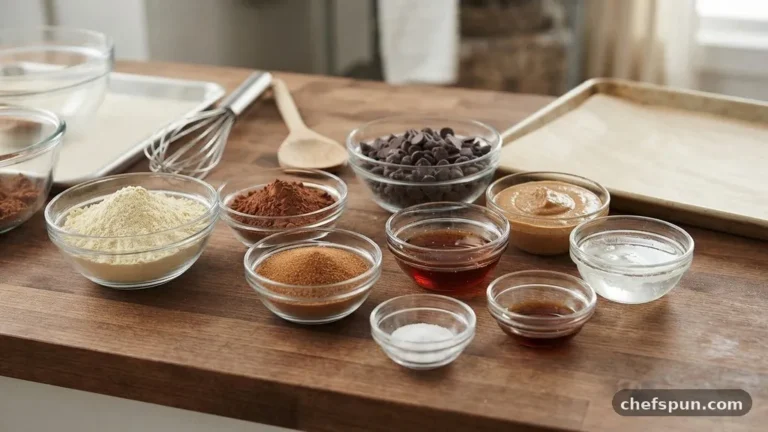
- 2 cups all-purpose flour, sifted
- 1 cup organic granulated sugar
- 1 tsp baking powder
- 1/2 tsp baking soda
- 1/4 tsp salt
- 1 cup unsweetened soy milk or almond milk
- 1/3 cup neutral vegetable oil or melted coconut oil
- 1 tsp apple cider vinegar
- 1 tsp pure vanilla extract
- 1 cup finely grated carrots
- 1/2 cup chopped walnuts or pecans
- 1/2 cup vegan cream cheese, softened
- 2 tbsp vegan butter, softened
- 1 cup powdered sugar
Instructions
- Preheat your oven to 350°F (175°C) and line a standard muffin tin with paper liners.
- In a large mixing bowl, whisk together the flour, sugar, baking powder, baking soda, and salt until well combined.
- In a separate jug, mix the plant-based milk with the apple cider vinegar and let it sit for five minutes to create a vegan buttermilk.
- Add the oil and vanilla extract to the milk mixture, then pour the wet ingredients into the dry ingredients.
- Fold the mixture gently using a spatula until just combined, taking care not to overmix the batter.
- Gently stir in the grated carrots and chopped nuts, ensuring they are evenly distributed throughout the batter.
- Divide the batter equally among the prepared muffin cups, filling them about three-quarters of the way full.
- Bake for 20 to 25 minutes, or until a toothpick inserted into the center comes out clean.
- Allow the cupcakes to cool completely on a wire rack before attempting to frost them.
- Prepare the frosting by beating the vegan cream cheese, butter, and powdered sugar together until smooth and fluffy.
- Apply the frosting to the cooled cupcakes using a piping bag or a simple offset spatula.
Understanding Vegan Baking Principles
Mastering a high-quality vegan Easter dessert requires understanding how to replicate the structural roles of eggs and dairy. In traditional baking, eggs provide lift and structure, while butter offers fat and moisture.
You can achieve similar results using simple pantry staples like apple cider vinegar mixed with plant milk to create a vegan buttermilk. This reaction reacts with baking soda to provide the necessary rise for cakes and muffins.
Fats are equally important when building a decadent dessert profile. Using coconut oil or high-quality vegan butter ensures your crumbs remain tender and moist without relying on animal fats.
For those interested in the science behind plant-based ingredient interactions, you can read more about food safety and ingredient handling to ensure your kitchen remains a professional environment. Consistency is key when measuring these fats, as too little can result in a dry texture.
Choosing Seasonal Flavors
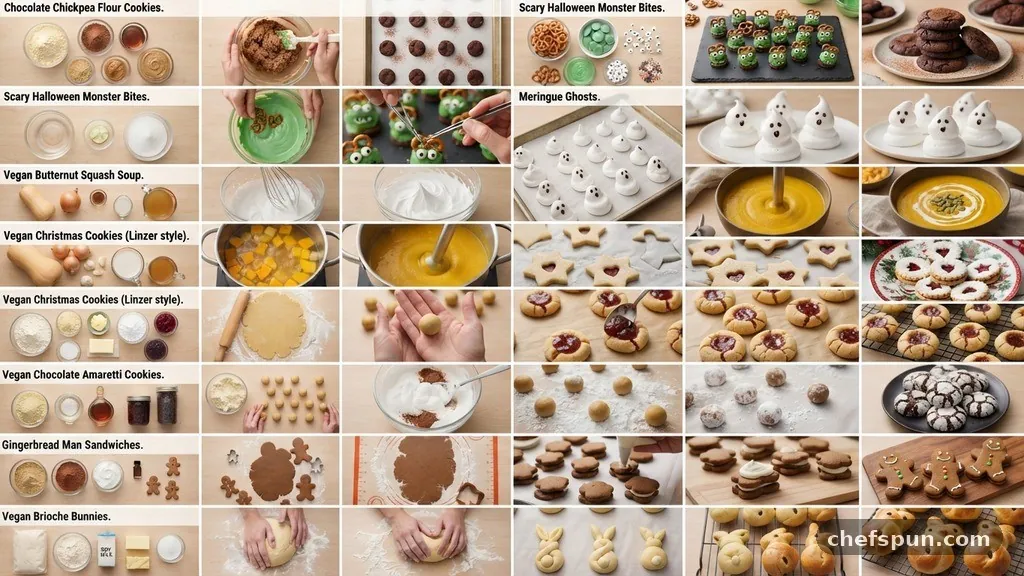
Spring is the ideal time to incorporate fresh, vibrant ingredients into your holiday menu. Lemon, strawberry, and carrot are staples of the season because they offer a bright contrast to the heavier flavors of winter.
A classic vegan carrot cake is a timeless choice, but you can also experiment with citrus-infused sponges or berry-studded crumbles. The goal is to create something that feels light and refreshing after a savory meal.
When selecting your ingredients, prioritize fresh produce for the best flavor payoff. Grating your own carrots ensures a better texture than pre-packaged options, which can sometimes be too dry.
If you are working with berries, make sure they are washed and dried thoroughly to prevent excess moisture from ruining your batter. These small details elevate a simple home-baked good into a sophisticated centerpiece.
Advanced Techniques for Creamy Textures
Many people assume that dairy free desserts lack the richness of their traditional counterparts. This is rarely the case if you know how to use ingredients like soaked cashews or full-fat coconut milk.
These items provide a luxurious mouthfeel that works perfectly in cheesecakes or creamy mousses. If you want to make a vegan cheesecake, blending soaked cashews with lemon juice and maple syrup creates a stable, tangy base that mimics cream cheese.
Another trick involves the use of high-quality vegan chocolates. White chocolate alternatives made from cocoa butter and rice syrup can be melted down to create ganache or decorative drizzles.
When tempering or melting these, go slowly to prevent the chocolate from seizing. A double boiler is your best friend here, as it provides gentle, indirect heat that protects the delicate fats in the chocolate.
Creative Presentation Ideas
A beautiful presentation makes any dessert feel more festive for a holiday celebration. For an Easter theme, consider using natural dyes to decorate your plates or toppings.
Beet juice can create a lovely pink hue, while spirulina or matcha powder can provide a natural green shade for spring-themed decorations. You can also use fresh edible flowers like pansies or violas to add a pop of color to your frosting.
Consider the vessel you use for serving as well. Individual portions, like the cupcakes in our recipe, are often more convenient for guests than a large cake that requires slicing.
If you prefer a larger display, look for vintage cake stands or tiered platters that allow you to layer different textures. Providing a variety of shapes and sizes creates visual interest that makes the dessert table look professionally styled.

Common Challenges and How to Solve Them
Even experienced bakers run into issues when switching to plant-based recipes. One common problem is a cake that doesn’t rise properly.
This often happens if your baking powder is old or if you have overmixed the batter, which develops too much gluten and leads to a dense result. Always check the expiration date on your leavening agents and fold your ingredients together slowly.
Another frequent frustration is frosting that melts too quickly. Because vegan butter and cream cheese alternatives often have a lower melting point than dairy, keep your kitchen cool and ensure your cakes are fully chilled before frosting.
If the mixture looks too soft, pop it in the refrigerator for ten minutes before trying to pipe it again. These small adjustments ensure your final product looks as good as it tastes.
Tips for Preparation and Storage
- Substitute walnuts for pecans if you prefer a different crunch.
- Make the frosting ahead of time and store it in the fridge until you are ready to assemble.
- Keep your finished dessert in an airtight container to maintain moisture levels.
- Do not use low-fat milk alternatives, as they lack the necessary fat content for a rich crumb.
- If the batter seems too thick, add an extra tablespoon of plant milk at a time until you reach the desired consistency.
- Let the desserts come to room temperature before serving if they have been refrigerated.
Conclusion
Creating a delicious vegan Easter dessert is a rewarding process that allows you to share high-quality, plant-based food with your loved ones. By focusing on fresh, seasonal ingredients and mastering the basics of vegan baking, you can produce stunning results that everyone will enjoy. Whether you choose to bake a batch of carrot-filled cupcakes or attempt a more complex cheesecake, the effort you put into selecting your components will shine through.
Remember to keep your ingredients at the right temperature and stay patient during the cooling process to ensure the best texture. If you have questions about specific ingredient swaps or want to share your own variations, feel free to let us know how your baking turns out. We hope this guide helps you have a wonderful and tasty holiday celebration with your family and friends.
Vegan Easter Dessert
Finding a show-stopping vegan Easter dessert that satisfies every guest at your table is easier than you might think. Whether you are hosting a large family gathering or enjoying a quiet spring afternoon, these plant-based sweets offer the perfect balance of seasonal flavors and indulgence.
Ingredients
- 2 cups all-purpose flour, sifted
- 1 cup organic granulated sugar
- 1 tsp baking powder
- 1/2 tsp baking soda
- 1/4 tsp salt
- 1 cup unsweetened soy milk or almond milk
- 1/3 cup neutral vegetable oil or melted coconut oil
- 1 tsp apple cider vinegar
- 1 tsp pure vanilla extract
- 1 cup finely grated carrots
- 1/2 cup chopped walnuts or pecans
- 1/2 cup vegan cream cheese, softened
- 2 tbsp vegan butter, softened
- 1 cup powdered sugar
Instructions
- Preheat your oven to 350°F (175°C) and line a standard muffin tin with paper liners.
- In a large mixing bowl, whisk together the flour, sugar, baking powder, baking soda, and salt until well combined.
- In a separate jug, mix the plant-based milk with the apple cider vinegar and let it sit for five minutes to create a vegan buttermilk.
- Add the oil and vanilla extract to the milk mixture, then pour the wet ingredients into the dry ingredients.
- Fold the mixture gently using a spatula until just combined, taking care not to overmix the batter.
- Gently stir in the grated carrots and chopped nuts, ensuring they are evenly distributed throughout the batter.
- Divide the batter equally among the prepared muffin cups, filling them about three-quarters of the way full.
- Bake for 20 to 25 minutes, or until a toothpick inserted into the center comes out clean.
- Allow the cupcakes to cool completely on a wire rack before attempting to frost them.
- Prepare the frosting by beating the vegan cream cheese, butter, and powdered sugar together until smooth and fluffy.
- Apply the frosting to the cooled cupcakes using a piping bag or a simple offset spatula.
Similar Posts
Almond Crescent Cookies Healthy
Making almond crescent cookies healthy is a rewarding process that transforms a classic holiday treat into a nutrient-dense snack. By swapping processed white flour and refined sugars for wholesome alternatives, you can enjoy these delicate, nutty delights without the typical sugar crash. You will find that these treats offer a satisfying crunch and a rich,…
Spinach Tofu Coconut Curry Recipe
This vibrant spinach tofu coconut curry recipe offers a perfect balance of creamy textures and bold, aromatic spices. It serves as an ideal plant-based meal for busy weeknights when you need something nutritious, comforting, and quick to prepare. By combining protein-rich tofu with fresh greens and a velvety coconut milk base, you create a satisfying…
Healthy Air Popped Popcorn
Choosing healthy air popped popcorn provides a simple way to enjoy a classic snack without the heavy fats found in theater-style versions. By relying on hot air rather than oil, you maintain the natural integrity of the grain while keeping calories low. This method creates a light, crispy texture that serves as the perfect canvas…
Scary Halloween Monsters Bites
Creating scary Halloween monsters bites is the perfect way to bring a touch of eerie excitement to your seasonal celebrations. These treats combine a playful aesthetic with satisfying flavors, ensuring they become the centerpiece of any festive table. Whether you are hosting a large gathering or just want a fun project for an afternoon, these…
Healthy Christmas Cookies
Preparing batches of healthy Christmas cookies allows you to enjoy the festive season without compromising your commitment to nutritious eating. These treats focus on wholesome ingredients like almond flour, maple syrup, and dark chocolate, providing a satisfying flavor profile that rivals traditional sugary alternatives. By choosing natural sweeteners and fiber-rich additions, you can create sweets…
Almond Thumbprint Cookie
Baking an almond thumbprint cookie offers the perfect balance of nutty flavor and buttery texture for your next dessert session. These classic treats feature a delicate, melt-in-your-mouth shortbread base infused with a splash of almond extract, topped with a vibrant jewel of fruit preserves. Whether you are prepping for a holiday gathering or simply craving…