Healthy Christmas Cookies
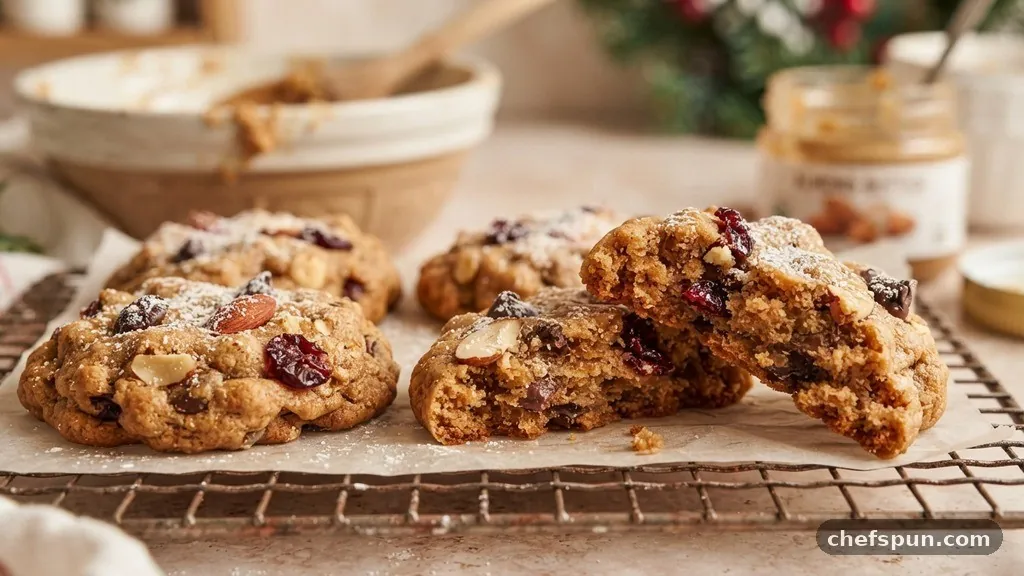
Preparing batches of healthy Christmas cookies allows you to enjoy the festive season without compromising your commitment to nutritious eating. These treats focus on wholesome ingredients like almond flour, maple syrup, and dark chocolate, providing a satisfying flavor profile that rivals traditional sugary alternatives. By choosing natural sweeteners and fiber-rich additions, you can create sweets that feel indulgent but offer more sustained energy.
This approach keeps your holiday traditions alive while helping you manage blood sugar levels and overall intake during a time of year often filled with refined snacks. Whether you are baking for a party or just for yourself, these mindful swaps make all the difference.
- Prep time: 15 minutes
- Cook time: 30 minutes
- Total time: 45 minutes
- Servings: 4
- Calories: 420 per serving
Ingredients
- 2 cups almond flour
- 1/4 cup melted coconut oil
- 1/3 cup pure maple syrup
- 1 tsp vanilla extract
- 1/4 tsp sea salt
- 1/2 tsp baking powder
- 1/2 cup dark chocolate chips (at least 70% cocoa)
- 2 tbsp unsweetened almond milk
Instructions
- Preheat your oven to 350°F (175°C) and line a large baking sheet with parchment paper to prevent sticking.
- In a large mixing bowl, whisk together the almond flour, baking powder, and sea salt until no lumps remain.
- Add the melted coconut oil, maple syrup, and vanilla extract to the dry mixture, stirring until a cohesive dough forms.
- Fold in the dark chocolate chips gently, ensuring they are evenly distributed throughout the mixture.
- Scoop rounded tablespoons of the dough and place them onto the prepared baking sheet, spacing them about two inches apart.
- Press down slightly on each ball with the palm of your hand or a fork to flatten them into discs.
- Bake for 12 to 15 minutes, or until the edges are golden brown and the centers are set.
- Remove from the oven and let them cool on the pan for 10 minutes to firm up before transferring to a wire rack.
The Science of Natural Sweeteners
When you make healthy Christmas cookies, the primary goal is often reducing refined white sugar. Maple syrup serves as an excellent replacement because it contains trace minerals like manganese and zinc.
Unlike processed sugar, it provides a complex, earthy sweetness that pairs beautifully with the nuttiness of almond flour. You can also experiment with coconut sugar, which offers a caramel-like depth that mimics brown sugar perfectly in many recipes.
Choosing the right sweetener impacts the texture of your final product. Liquid sweeteners like honey or maple syrup add moisture, which is vital when working with gluten-free alternatives.
If you find your dough is too sticky, a small addition of coconut flour can help stabilize the structure. Always check the labels on your sweeteners to ensure they are pure and free from additives or corn syrup.
Selecting Quality Fats
Traditional holiday baking often relies heavily on butter, but healthy baking explores more diverse fat sources. Coconut oil is a popular choice because it remains solid at cooler room temperatures, providing a similar mouthfeel to butter.
It also adds a subtle tropical note that complements chocolate and nut-based flavors quite well. If you prefer a neutral profile, high-quality avocado oil or light olive oil can also function effectively in many cookie recipes.
Fat plays a critical role in the tenderness of your cookie. It coats the flour particles, preventing the formation of long protein chains that could make your treat tough.
When you use healthy fats, you are also incorporating beneficial fatty acids into your diet. Be mindful of the temperature of your fat; melted fats will yield a chewier cookie, while solidified fats often result in a thicker, softer texture.
Mastering Gluten-Free Flours
The rise of gluten-free baking has transformed how we approach seasonal treats. Almond flour is a standout ingredient for healthy Christmas cookies because it is naturally high in protein and healthy fats.
It creates a rich, moist crumb that keeps the cookies soft for several days after baking. You can find more information on dietary guidelines for nutrition at the USDA Nutrition website to help you better understand your ingredient choices.
Whole wheat flour is another option if you are not strictly gluten-free but want to increase fiber intake. It offers a nuttier flavor and a heartier texture than standard all-purpose flour.
When substituting, remember that whole wheat flour absorbs more liquid, so you may need to add an extra splash of almond milk to the dough. This simple adjustment ensures your cookies remain soft rather than drying out in the oven.
Adding Flavor Without Refined Sugar
Flavor development is the secret to making healthy cookies taste like the classics. Vanilla extract is essential, but you can also incorporate warming spices like cinnamon, nutmeg, or ground ginger to signal the holiday season.
Citrus zest, such as orange or lemon, adds a bright contrast that cuts through the richness of the fats. These aromatics trick the palate into perceiving more sweetness without the need for extra calories.
Dark chocolate is another powerful tool in your culinary arsenal. By using chocolate with at least 70% cocoa solids, you minimize sugar content while maximizing antioxidant intake.
You can also add chopped nuts like walnuts or pecans to introduce crunch and healthy fats. These small additions create a multi-dimensional flavor profile that makes the dessert feel sophisticated and complete.
Storage and Make-Ahead Strategies
Proper storage ensures your treats remain fresh throughout the holiday period. Because these cookies often lack the preservatives found in store-bought options, it is best to store them in an airtight container at room temperature for up to three days.
If you need them to last longer, place the container in the refrigerator to extend their shelf life by a few extra days. You can also freeze the baked cookies for up to two months, allowing you to pull out a few at a time for unexpected guests.
If you prefer to prep ahead, you can make the dough in advance and store it in the refrigerator for up to 48 hours before baking. Simply roll the dough into balls and place them on a parchment-lined tray, then cover them tightly with plastic wrap.
When you are ready to serve, pop them directly into the oven, adding one or two minutes to the total baking time. This strategy saves you stress during busy holiday evenings while still providing the aroma of freshly baked goods.
Common Baking Pitfalls
Even experienced bakers face challenges when switching to healthier ingredients. A common mistake is over-mixing the dough, which can lead to dense or rubbery results.
Stir until the ingredients are just combined and the flour streaks have disappeared. Another frequent issue is under-baking, which can leave the center too soft to handle, or over-baking, which can result in dry, crumbly edges.
Always rely on visual cues rather than just the timer. Look for the edges to turn a light golden brown and ensure the center feels firm to the touch. If you are using a new oven, it is wise to use an oven thermometer to verify the actual temperature.
Small adjustments in heat can drastically change the final outcome, so get to know your equipment well. Consistent practice will lead to perfect results every time you decide to bake something special.
Conclusion
Integrating healthy Christmas cookies into your holiday routine is a practical way to enjoy the season while maintaining your wellness goals. By focusing on nutrient-dense ingredients like almond flour, natural sweeteners, and dark chocolate, you create treats that are both delicious and satisfying. These recipes prove that you do not need to sacrifice flavor to make mindful choices during the festivities.
Start by experimenting with one or two of your favorite flavor combinations to see how simple swaps can enhance your holiday spread. As you become more comfortable with these ingredients, you will find it easier to adapt other recipes to fit your lifestyle. Share these cookies with friends and family to spread the joy of healthier, wholesome holiday traditions this year.
Healthy Christmas Cookies
Preparing batches of healthy Christmas cookies allows you to enjoy the festive season without compromising your commitment to nutritious eating.
Ingredients
- 2 cups almond flour
- 1/4 cup melted coconut oil
- 1/3 cup pure maple syrup
- 1 tsp vanilla extract
- 1/4 tsp sea salt
- 1/2 tsp baking powder
- 1/2 cup dark chocolate chips (at least 70% cocoa)
- 2 tbsp unsweetened almond milk
Instructions
- Preheat your oven to 350°F (175°C) and line a large baking sheet with parchment paper to prevent sticking.
- In a large mixing bowl, whisk together the almond flour, baking powder, and sea salt until no lumps remain.
- Add the melted coconut oil, maple syrup, and vanilla extract to the dry mixture, stirring until a cohesive dough forms.
- Fold in the dark chocolate chips gently, ensuring they are evenly distributed throughout the mixture.
- Scoop rounded tablespoons of the dough and place them onto the prepared baking sheet, spacing them about two inches apart.
- Press down slightly on each ball with the palm of your hand or a fork to flatten them into discs.
- Bake for 12 to 15 minutes, or until the edges are golden brown and the centers are set.
- Remove from the oven and let them cool on the pan for 10 minutes to firm up before transferring to a wire rack.
Similar Posts
Vegan Brioche Bunnie
Creating a light fluffy Vegan Brioche Bunnie at home transforms your standard sandwich into a gourmet experience. By replacing traditional dairy and eggs with high-quality plant-based alternatives, you achieve that signature rich, golden crumb without any animal products. This recipe is designed to be accessible for home bakers while delivering professional results. You will learn…
5 Ingredient Vegan Homemade Nutella
Crafting a decadent 5 Ingredient Vegan Homemade Nutella at home transforms your pantry staples into a rich, velvety treat that rivals any store-bought version. By focusing on high-quality roasted nuts and pure cocoa, you create a sophisticated plant-based spread that is free from palm oil and unnecessary additives. This simple process relies on just a…
Vegan Christmas Cookies
Making a batch of homemade treats during the holidays brings a unique warmth to any kitchen. These plant-based delights capture the classic spirit of the season without requiring dairy or eggs. You will find that these recipes offer the same rich, buttery textures and festive flavors that define traditional holiday baking. Whether you are hosting…
Overnight Oats Without Yogurt
Preparing overnight oats without yogurt is a simple way to enjoy a creamy, nutrient-dense breakfast that fits perfectly into a busy morning routine. Many people find that avoiding dairy or thick additives creates a lighter result, allowing the natural flavor of the grains to shine through. By mastering the soaking process, you can achieve a…
Overnight Oats
Preparing a bowl of Overnight Oats is one of the most effective ways to simplify your morning routine while ensuring you start the day with balanced nutrition. By combining simple pantry staples in mason jars and allowing them to soften in the refrigerator, you create a creamy, ready-to-eat breakfast that saves precious time during the…
Strawberry Overnight Oats
Starting your day with a bowl of Strawberry Overnight Oats provides a refreshing, nutrient-dense breakfast that requires almost zero effort in the morning. By combining simple ingredients in a jar the night before, you allow the components to soften and meld into a creamy, pudding-like consistency while you sleep. This method is perfect for anyone…