Vegan Brioche Bunnie
Creating a light fluffy Vegan Brioche Bunnie at home transforms your standard sandwich into a gourmet experience. By replacing traditional dairy and eggs with high-quality plant-based alternatives, you achieve that signature rich, golden crumb without any animal products. This recipe is designed to be accessible for home bakers while delivering professional results.
You will learn the secrets to achieving a tender texture that makes every bite feel indulgent. Whether you are planning a weekend brunch or a dinner party, mastering this technique is a rewarding skill.
- Prep time: 15 minutes
- Cook time: 30 minutes
- Total time: 45 minutes
- Servings: 4
- Calories: 420 per serving
Ingredients
- 500g strong white bread flour
- 7g instant yeast
- 60g granulated sugar
- 1 tsp fine sea salt
- 250ml warm soy milk (or other unsweetened plant-based milk)
- 75g vegan butter, softened at room temperature
- 1 tsp vanilla extract
- 1 tbsp neutral oil, for the bowl
- 2 tbsp soy milk mixed with 1 tsp maple syrup for the glaze
Instructions
- In a large mixing bowl, combine the flour, sugar, yeast, and salt, mixing until evenly distributed.
- Create a well in the center and pour in the warm soy milk and vanilla extract.
- Mix the dough until it begins to form a shaggy mass, then slowly add the softened vegan butter piece by piece.
- Knead the mixture on a floured surface for about 10 minutes until the dough becomes smooth, elastic, and pulls away from your hands.
- Place the dough in a bowl lightly greased with oil, cover with a damp cloth, and let it rise in a warm spot for 60 to 90 minutes.
- Once doubled in size, punch the dough down gently to release air and divide it into four equal portions.
- Shape each portion into a tight, smooth ball by tucking the edges underneath and rolling it against the counter.
- Place the shaped balls onto a lined baking sheet, cover again, and let them proof for another 30 minutes until puffy.
- Preheat your oven to 180°C (350°F) while the buns perform their final rise.
- Brush the tops with the soy milk and maple syrup glaze to ensure a beautiful, shiny finish.
- Bake for 20 to 25 minutes until the tops are golden brown and the buns sound hollow when tapped on the bottom.
- Remove from the oven and transfer to a wire rack to cool completely before serving.
Understanding the Science of Vegan Baking
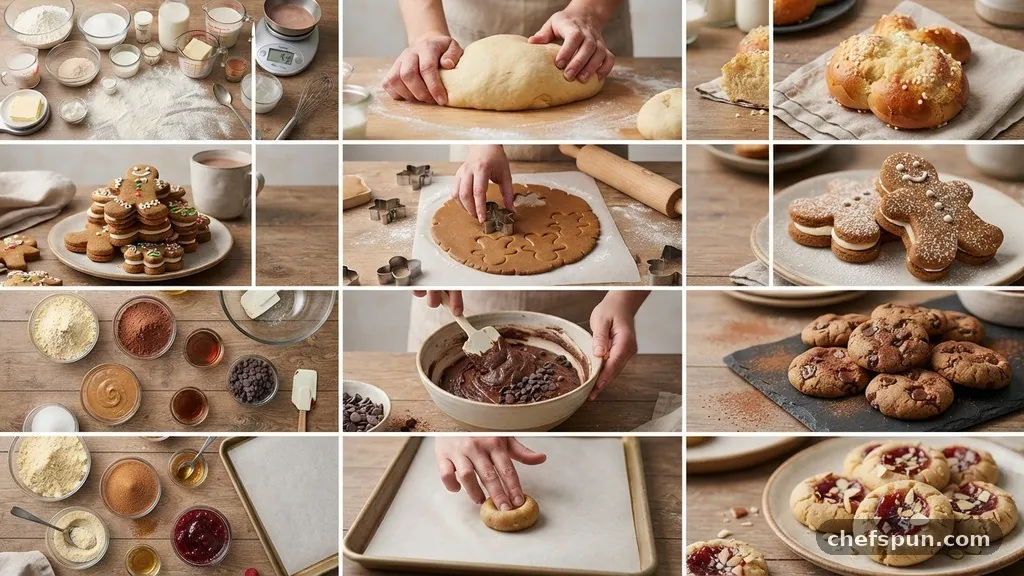
Traditional brioche relies heavily on eggs and butter to create its characteristic structure and richness. In a Vegan Brioche Bunnie, we must replicate this decadence using different fats and proteins.
Soy milk is an excellent choice because its protein content helps mimic the structure provided by eggs. High-quality vegan butter provides the necessary fat to keep the crumb tender rather than tough.
When working with yeast, temperature control is essential for consistent results. If your milk is too hot, it will kill the yeast; if it is too cold, the dough will not rise properly.
Aim for a temperature similar to body heat, which creates an ideal environment for fermentation. You can read more about the science of yeast fermentation to better understand how to manage your rising times.
Developing the gluten network is the second half of the battle. Kneading is not just about mixing; it is about aligning the proteins in the wheat so they can trap the carbon dioxide produced by the yeast.
This trapped gas is exactly what makes the bread light and airy. If you do not knead long enough, your final product may be dense and heavy.
Mastering the Dough Texture
Achieving the perfect dough consistency is often the difference between a mediocre loaf and a professional-grade result. The dough should feel tacky but not overly sticky.
If it sticks aggressively to your fingers, add a tablespoon of flour at a time until it becomes manageable. Do not add too much flour, or you will end up with a dry, crumbly texture.
The tangzhong method is a popular technique to improve the longevity and softness of yeast breads. By cooking a small portion of the flour and liquid into a thick paste before adding it to the rest of the ingredients, you gelatinize the starches.
This allows the dough to hold onto more moisture throughout the baking process. While this recipe uses a standard method, incorporating a pre-cooked roux can be a fun experiment for advanced bakers.
Patience is your greatest tool when working with yeast dough. If your kitchen is particularly cold, the proofing process will take longer than the estimated time.
Do not rush the rise, as the time spent fermenting is when the flavor develops. A slow rise often results in a more complex, slightly tangy profile that elevates the final taste.
Shaping and Proofing Techniques
The visual appeal of your buns comes down to how you shape them. To get a smooth, professional top, you must create surface tension during the shaping process.
Place the dough ball on your counter and cup your hand over it, moving in a circular motion to pull the bottom edges toward the center. This creates a taut skin that will expand beautifully in the heat of the oven.
The final proof is the most critical stage for achieving a light texture. If you bake the buns too early, they will burst in the oven and develop an irregular shape.
If you let them proof for too long, they will collapse under their own weight. Look for the buns to have puffed up significantly and feel soft and pillowy to the touch.
Glazing is the final touch before the oven. Using a mixture of plant milk and a touch of sweetener, such as maple syrup, mimics the browning effect of an egg wash.
This combination caramelizes slightly in the heat, giving the crust a beautiful sheen and a subtle depth of flavor. Always brush the glaze gently to avoid deflating the carefully proofed dough.
Creative Variations and Serving Suggestions
While a classic Vegan Brioche Bunnie is perfect on its own, it also serves as a versatile base for other culinary creations. Try adding dark chocolate chips to the dough during the final stages of kneading for a sweet treat. You can also roll the dough out, spread it with cinnamon and sugar, and create a swirl before baking to make brioche-style rolls.
For a decadent breakfast, use these buns to make the best French toast you have ever tasted. The rich, buttery nature of the brioche soaks up custard beautifully without becoming mushy.
Simply dip slices in a mixture of plant milk, cinnamon, and a splash of vanilla before searing them in a pan. The result is a crispy exterior with a custard-like center that feels incredibly luxurious.
When serving these for a dinner party, consider pairing them with a savory spread. A roasted garlic herb butter or a spicy vegan aioli complements the slight sweetness of the bread perfectly.
If you are using them for a sandwich, toast the cut sides on a hot griddle until golden brown. This adds a layer of texture that contrasts wonderfully with the soft, cloud-like crumb.
Common Troubleshooting Tips
If your bread did not rise, check your yeast first. Yeast is a living organism and can expire or be killed by water that is too hot.
Always store your yeast in a cool, dry place to maintain its potency. If you are unsure if your yeast is active, mix it with a little warm water and sugar and wait ten minutes; if it doesn’t foam, it’s time for a fresh packet.
A dense or gummy texture usually indicates that the dough was under-baked or that the flour-to-liquid ratio was off. Ensure you are using a kitchen scale to measure your ingredients, as volume measurements like cups can be highly inaccurate. Baking by weight is the gold standard for bread making and will lead to much more consistent results.
If the tops of your buns are burning before the inside is cooked, your oven might be running too hot. Use an oven thermometer to verify the actual temperature inside the chamber.
If you notice early browning, tent the baking sheet with a piece of aluminum foil for the remainder of the baking time. This allows the center to finish cooking without darkening the exterior further.
Storage and Preservation
Homemade bread lacks the preservatives found in store-bought versions, so it is best enjoyed within two days of baking. Keep your buns in an airtight container at room temperature to prevent them from drying out. If you live in a very humid environment, storing them in the refrigerator can help, though it may alter the texture slightly.
For longer storage, freeze the buns as soon as they have cooled completely. Wrap each bun individually in plastic wrap and then place them in a freezer-safe bag.
To serve, thaw them at room temperature or warm them briefly in the oven. This method keeps them fresh for up to one month, making it easy to have a ready supply for quick meals.
Refreshing stale buns is easy if you know how to handle moisture. Lightly mist the surface with a small amount of water and pop them into a preheated oven for about five minutes.
The steam will rehydrate the crumb, making it feel like it was just pulled from the oven. Avoid using the microwave, as it tends to make bread rubbery and tough rather than soft and airy.
Final Thoughts on Vegan Baking
Mastering the art of the Vegan Brioche Bunnie is a journey that rewards experimentation and attention to detail. By focusing on the quality of your ingredients and respecting the fermentation process, you can create bakery-quality results in your own kitchen. This recipe proves that you do not need animal products to achieve the rich, decadent texture that defines classic brioche.
As you become more comfortable with the dough, feel free to adjust the sugar or fat levels to suit your personal preferences. Baking is as much about intuition as it is about following instructions, so trust your senses as you work the dough.
We hope you enjoy the process of creating these delicious treats and share them with friends and family. Happy baking, and we invite you to experiment with your own favorite toppings and fillings!
Vegan Brioche Bunnie
Creating a light fluffy Vegan Brioche Bunnie at home transforms your standard sandwich into a gourmet experience. By replacing traditional dairy and eggs with high-quality plant-based alternatives, you achieve that signature rich, golden crumb without any animal products.
Ingredients
- 500g strong white bread flour
- 7g instant yeast
- 60g granulated sugar
- 1 tsp fine sea salt
- 250ml warm soy milk (or other unsweetened plant-based milk)
- 75g vegan butter , softened at room temperature
- 1 tsp vanilla extract
- 1 tbsp neutral oil, for the bowl
- 2 tbsp soy milk mixed with 1 tsp maple syrup for the glaze
Instructions
- In a large mixing bowl, combine the flour, sugar, yeast, and salt, mixing until evenly distributed.
- Create a well in the center and pour in the warm soy milk and vanilla extract.
- Mix the dough until it begins to form a shaggy mass, then slowly add the softened vegan butter piece by piece.
- Knead the mixture on a floured surface for about 10 minutes until the dough becomes smooth, elastic, and pulls away from your hands.
- Place the dough in a bowl lightly greased with oil, cover with a damp cloth, and let it rise in a warm spot for 60 to 90 minutes.
- Once doubled in size, punch the dough down gently to release air and divide it into four equal portions.
- Shape each portion into a tight, smooth ball by tucking the edges underneath and rolling it against the counter.
- Place the shaped balls onto a lined baking sheet, cover again, and let them proof for another 30 minutes until puffy.
- Preheat your oven to 180°C (350°F) while the buns perform their final rise.
- Brush the tops with the soy milk and maple syrup glaze to ensure a beautiful, shiny finish.
- Bake for 20 to 25 minutes until the tops are golden brown and the buns sound hollow when tapped on the bottom.
- Remove from the oven and transfer to a wire rack to cool completely before serving.
Similar Posts
Easy Halloween Desserts
Finding simple ways to celebrate the season doesn’t mean you need to spend hours in the kitchen. Preparing easy Halloween desserts allows you to focus on the festive atmosphere while still serving something delicious that guests of all ages will appreciate. Whether you are aiming for spooky or sweet, these recipes provide a stress-free path…
Almond Thumbprint Cookie
Baking an almond thumbprint cookie offers the perfect balance of nutty flavor and buttery texture for your next dessert session. These classic treats feature a delicate, melt-in-your-mouth shortbread base infused with a splash of almond extract, topped with a vibrant jewel of fruit preserves. Whether you are prepping for a holiday gathering or simply craving…
Best Vegan Christmas Recipes
Finding the best Vegan Christmas Recipes that satisfy both plant-based eaters and traditionalists can transform your holiday table. Whether you are planning a full plant-based feast or just looking for a standout main dish, these selections focus on deep flavors, festive colors, and satisfying textures. You will find that these dishes hold their own against…
5 Ingredient Vegan Homemade Nutella
Crafting a decadent 5 Ingredient Vegan Homemade Nutella at home transforms your pantry staples into a rich, velvety treat that rivals any store-bought version. By focusing on high-quality roasted nuts and pure cocoa, you create a sophisticated plant-based spread that is free from palm oil and unnecessary additives. This simple process relies on just a…
Apple Nachos
Apple Nachos offer a refreshing, crunchy, and customizable way to enjoy fresh fruit while satisfying your sweet tooth. By swapping traditional tortilla chips for crisp, sliced apples, you transform a classic appetizer into a vibrant and nutritious treat that works just as well for a quick afternoon snack as it does for a party dessert….
Almond Crescent Cookies Healthy
Making almond crescent cookies healthy is a rewarding process that transforms a classic holiday treat into a nutrient-dense snack. By swapping processed white flour and refined sugars for wholesome alternatives, you can enjoy these delicate, nutty delights without the typical sugar crash. You will find that these treats offer a satisfying crunch and a rich,…