Best Vegan Easter Recipe
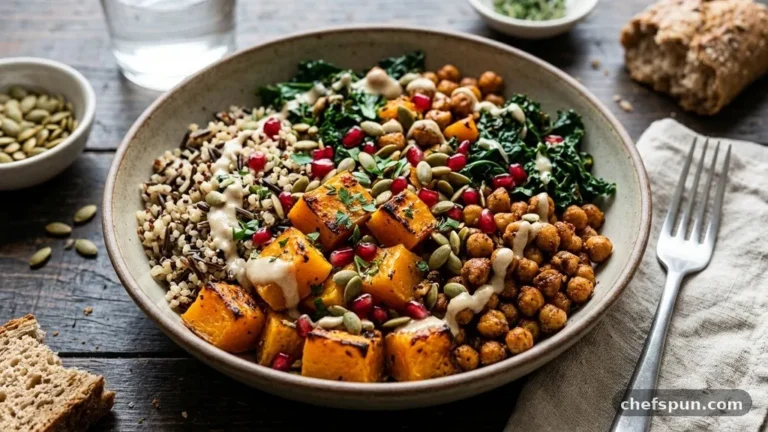
Finding the best Vegan Easter Recipe often feels like a challenge, but a vibrant, herb-crusted vegetable roast serves as the perfect centerpiece for your spring celebration. This dish combines earthy seasonal produce with bright, zesty flavors that capture the essence of the holiday.
By focusing on fresh, whole-food ingredients, you can create a meal that looks stunning on the table and satisfies every guest. Whether you are hosting a large family gathering or a quiet brunch, this savory selection brings warmth and color to your festive spread.
- Prep time: 15 minutes
- Cook time: 30 minutes
- Total time: 45 minutes
- Servings: 4
- Calories: 420 per serving
Ingredients
- 2 large sweet potatoes, peeled and cut into 1-inch cubes
- 3 medium carrots, peeled and sliced into thick rounds
- 1 red beet, peeled and diced into 1/2-inch pieces
- 250g cremini mushrooms, halved
- 3 tbsp extra virgin olive oil
- 2 tbsp fresh rosemary, finely chopped
- 1 tsp sea salt
- 1/2 tsp freshly cracked black pepper
- 1/4 cup vegan pesto, store-bought or homemade
- 1 can (400g) cooked green lentils, rinsed and drained
- 2 tbsp toasted pine nuts for garnish
- 1 tbsp fresh lemon zest
Instructions

- Preheat your oven to 200°C (400°F) and line a large rimmed baking sheet with parchment paper.
- Place the cubed sweet potato, carrots, and beet pieces in a large mixing bowl.
- Drizzle the vegetables with olive oil and toss them with the rosemary, salt, and pepper until evenly coated.
- Spread the mixture onto the prepared baking sheet, ensuring the vegetables are in a single layer to encourage browning.
- Roast for 20 minutes, then remove the tray from the oven to add the mushrooms.
- Toss the mushrooms gently into the mix and return the tray to the oven for an additional 10 minutes until the vegetables are fork-tender and slightly caramelized.
- Remove from the heat and immediately fold in the rinsed lentils while the vegetables are still steaming hot.
- Drizzle the vegan pesto over the tray and toss gently to coat everything in a light, herbaceous glaze.
- Transfer the mixture to a serving platter and garnish with pine nuts and fresh lemon zest before serving.
Selecting Seasonal Produce

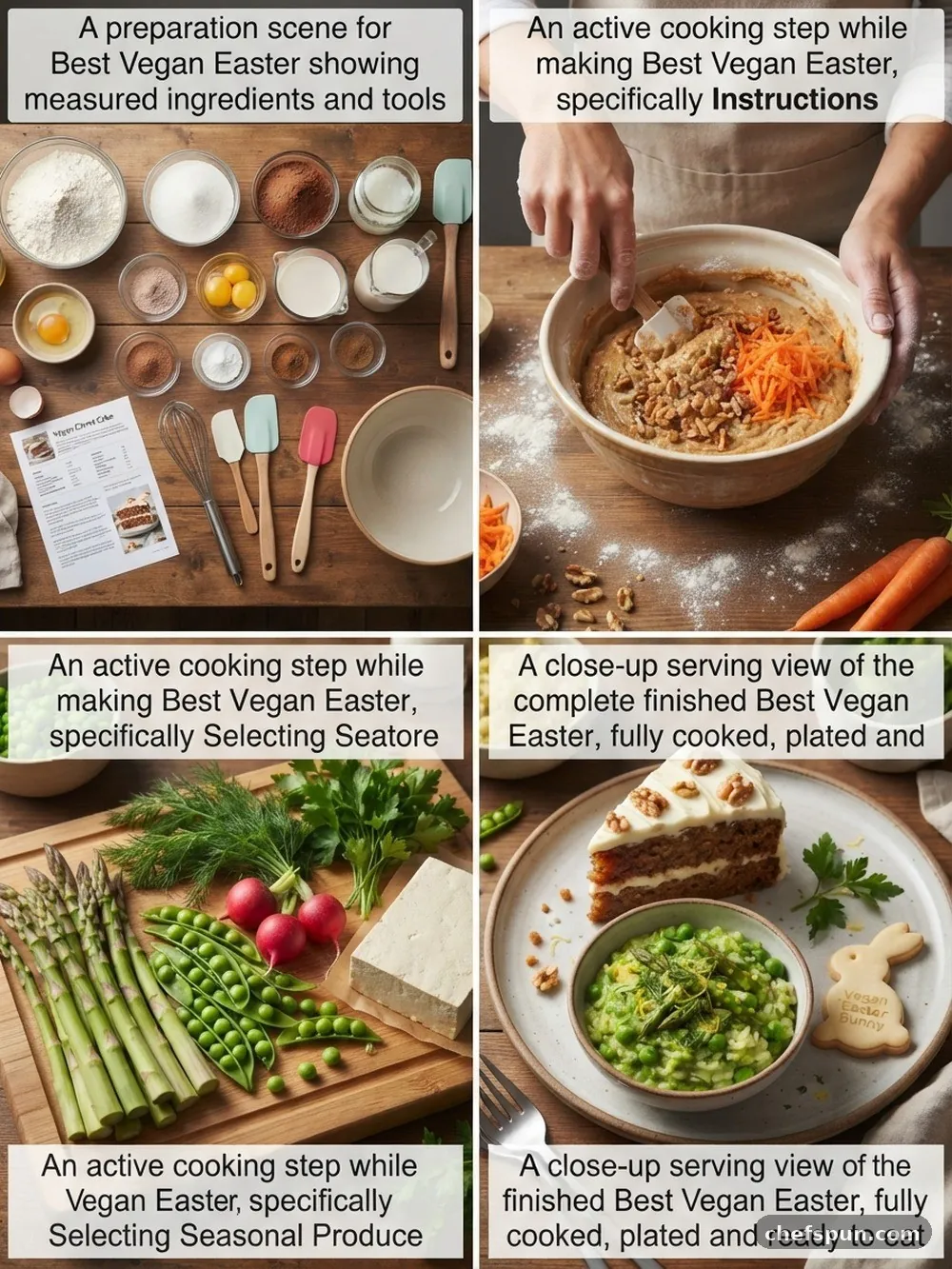
Choosing high-quality vegetables is the secret to elevating any plant-based holiday meal. Spring is a time for renewal, and utilizing produce that is at its peak allows the natural sugars in carrots and potatoes to shine. When selecting your ingredients, look for firm roots and vibrant skins, as these indicate freshness and superior nutrient density.
You can learn more about seasonal eating patterns through the United States Department of Agriculture guidelines on produce selection. These resources provide clarity on why local, seasonal items often yield better textures in a roasted dish. For this particular meal, the contrast between the earthy beet and the sweet potato creates a complex flavor profile that feels sophisticated.
Do not overlook the importance of the mushrooms in this mix. They provide a meaty, savory depth that balances the sweetness of the root vegetables perfectly. By roasting them alongside the other components, you allow their juices to develop a rich, umami quality that ties the entire dish together.
The Role of Texture and Flavor
A truly memorable holiday dish relies on a balance of textures, moving from creamy to crisp in every bite. The sweet potato softens beautifully, offering a velvety mouthfeel, while the carrots retain a slight bite that adds structure. Contrast these softer elements with the crunch of pine nuts to ensure each mouthful is engaging and dynamic.
Flavor layering is equally critical when you are working without animal products. The pesto acts as a bright, acidic bridge between the heavy, starchy vegetables and the earthy lentils. If you want to lean into a more decadent profile, you can add a drizzle of balsamic reduction just before serving.
Fresh herbs are non-negotiable for an Easter table. Rosemary provides a piney, woodsy aroma that signals a special occasion, while lemon zest cuts through the richness to keep the palate clean. This combination ensures that the meal feels light enough for a spring afternoon yet substantial enough for a main course.
Customizing Your Festive Spread
Flexibility is a major advantage when preparing plant-based meals for guests with varying preferences. If you find your family prefers a more protein-forward option, you can easily incorporate a bean of your choice, such as chickpeas or cannellini, into the roasting process. These additions absorb the herb-infused oil and become deliciously crispy at the edges.
For those who enjoy a creamy finish, a dollop of cashew-based sauce or a drizzle of tahini can be added right before plating. This allows you to tailor the richness of the dish to your specific taste. Remember that the best Vegan Easter Recipe is one that feels personal, so feel free to swap in seasonal greens like asparagus or snap peas.
Consider how the colors interact on your serving platter as well. The deep purple of the beet, the bright orange of the carrots, and the vibrant green of the pesto create a visually stunning display. This aesthetic appeal is just as important as the taste when you are setting the mood for a holiday gathering.
Storage and Preparation
Planning ahead is essential to reducing stress on the day of your celebration. You can chop your vegetables and store them in airtight containers in the refrigerator up to twenty-four hours before you plan to cook. Keep your herbs fresh by wrapping them in a damp paper towel to maintain their vibrant color and essential oils.
If you have leftovers, store them in a sealed container for up to three days. When reheating, use a wide skillet over medium heat rather than a microwave to maintain the texture of the roasted vegetables. A quick splash of water or a tiny bit of olive oil helps prevent the lentils from drying out during the warming process.
Avoid overcooking your vegetables during the initial roast if you plan to reheat them later. Aim for a state where they are just tender, as they will soften further upon heating. This simple approach ensures that your leftovers taste just as fresh and professional as the initial batch.
Expanding the Menu
While this roasted vegetable dish acts as a perfect main, it pairs beautifully with other classic spring sides. A light, crisp salad with a vinaigrette dressing provides a refreshing contrast to the warm, roasted components of the meal. You might also consider a simple soup if you are hosting a multi-course dinner.
Many people enjoy incorporating traditional sweet treats to round out their menu. A classic chocolate mousse made with silken tofu or a rich carrot cake featuring a vegan cream cheese frosting complements the savory notes of the main dish. These additions turn a simple lunch into a complete, curated dining experience.
Focus on keeping the preparation simple so you can spend more time enjoying your company. By choosing recipes that rely on high-quality ingredients rather than complex techniques, you ensure that your time in the kitchen remains enjoyable. A stress-free cook is always the best host, and your guests will certainly appreciate the effort you put into the meal.
Refining Your Culinary Technique
Mastering the art of roasting requires attention to the heat distribution in your oven. If your oven has hot spots, rotate your baking sheet halfway through the cooking time to ensure an even golden-brown finish. Cutting your vegetables into uniform sizes is the most effective way to guarantee they cook at the same rate.
Consistency in your knife work also contributes to the final presentation. When every piece of potato or carrot is roughly the same size, the dish looks intentional and refined. Take a few extra minutes during the prep phase to ensure your cuts are tidy, as this small detail pays off significantly once the tray comes out of the oven.
Finally, trust your senses when determining if the dish is ready. You are looking for a deep, caramelized color on the edges of the vegetables and a tender texture when pierced with a fork. Once you achieve this, you have successfully mastered the foundation of the best Vegan Easter Recipe for your holiday table.
The journey to creating a festive, plant-based meal concludes with the simple joy of sharing food with those you love. By focusing on fresh, seasonal produce and balanced flavors, you can provide a memorable experience that honors the spirit of the season. This approach to cooking proves that you do not need animal products to produce a centerpiece that is both beautiful and deeply satisfying.
As you prepare your next holiday meal, remember that the best Vegan Easter Recipe is one that reflects your own culinary style while bringing a touch of spring to your table. We hope you enjoy the process of crafting this dish and sharing it with your friends and family this year.
Best Vegan Easter Recipe

Finding the best Vegan Easter Recipe often feels like a challenge, but a vibrant, herb-crusted vegetable roast serves as the perfect centerpiece for your spring celebration. This dish combines earthy seasonal produce with bright, zesty flavors that capture the essence of the holiday.
Ingredients
- 2 large sweet potatoes , peeled and cut into 1-inch cubes
- 3 medium carrots, peeled and sliced into thick rounds
- 1 red beet , peeled and diced into 1/2-inch pieces
- 250g cremini mushrooms, halved
- 3 tbsp extra virgin olive oil
- 2 tbsp fresh rosemary, finely chopped
- 1 tsp sea salt
- 1/2 tsp freshly cracked black pepper
- 1/4 cup vegan pesto , store-bought or homemade
- 1 can (400g) cooked green lentils, rinsed and drained
- 2 tbsp toasted pine nuts for garnish
- 1 tbsp fresh lemon zest
Instructions
- Preheat your oven to 200°C (400°F) and line a large rimmed baking sheet with parchment paper.
- Place the cubed sweet potato , carrots, and beet pieces in a large mixing bowl.
- Drizzle the vegetables with olive oil and toss them with the rosemary, salt, and pepper until evenly coated.
- Spread the mixture onto the prepared baking sheet, ensuring the vegetables are in a single layer to encourage browning.
- Roast for 20 minutes, then remove the tray from the oven to add the mushrooms.
- Toss the mushrooms gently into the mix and return the tray to the oven for an additional 10 minutes until the vegetables are fork-tender and slightly caramelized .
- Remove from the heat and immediately fold in the rinsed lentils while the vegetables are still steaming hot.
- Drizzle the vegan pesto over the tray and toss gently to coat everything in a light, herbaceous glaze.
- Transfer the mixture to a serving platter and garnish with pine nuts and fresh lemon zest before serving.
Similar Posts
Spinach Tofu Coconut Curry Recipe
This vibrant spinach tofu coconut curry recipe offers a perfect balance of creamy textures and bold, aromatic spices. It serves as an ideal plant-based meal for busy weeknights when you need something nutritious, comforting, and quick to prepare. By combining protein-rich tofu with fresh greens and a velvety coconut milk base, you create a satisfying…
Healthy Air Popped Popcorn
Choosing healthy air popped popcorn provides a simple way to enjoy a classic snack without the heavy fats found in theater-style versions. By relying on hot air rather than oil, you maintain the natural integrity of the grain while keeping calories low. This method creates a light, crispy texture that serves as the perfect canvas…
Easy Halloween Desserts
Finding the perfect easy Halloween desserts can turn a standard evening into a festive celebration without requiring hours in the kitchen. Whether you are hosting a party for friends or putting together a surprise for your kids, these simple recipes focus on high-impact visuals with minimal effort. You do not need professional baking skills to…
Best Vegan Christmas Recipes
Finding the best Vegan Christmas Recipes that satisfy both plant-based eaters and traditionalists can transform your holiday table. Whether you are planning a full plant-based feast or just looking for a standout main dish, these selections focus on deep flavors, festive colors, and satisfying textures. You will find that these dishes hold their own against…
Healthy Christmas Cookies
Making healthy Christmas cookies allows you to enjoy the festive season without sacrificing your nutritional goals. By swapping refined sugars for natural sweeteners and choosing nutrient-dense flours, you can create treats that satisfy your sweet tooth while keeping blood sugar levels more stable. These mindful adjustments ensure that every bite remains delicious, festive, and satisfying…
Vegan Christmas Cookies
Baking delicious Vegan Christmas Cookies is a wonderful way to celebrate the holidays while ensuring everyone at your table can enjoy a festive treat. These plant-based delights capture the classic flavors of the season without using butter, eggs, or dairy, making them accessible and inclusive for all your guests. Whether you are a seasoned baker…