Apricot Kernel Vegan Chocolate Amaretti Cookies
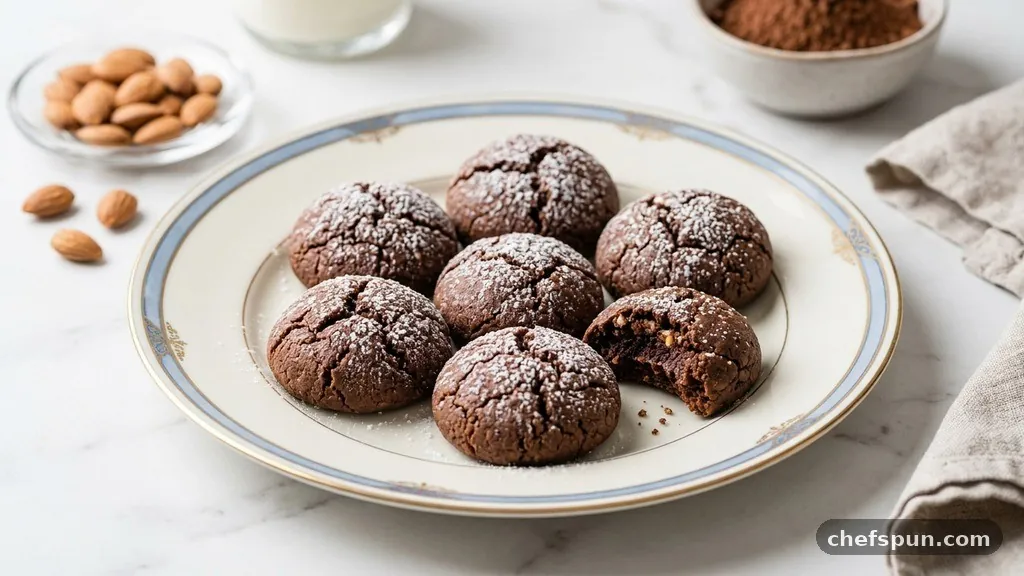
Baking a batch of Apricot Kernel Vegan Chocolate Amaretti Cookies is a delightful way to explore plant-based pastry without sacrificing the signature texture of classic Italian treats. By swapping standard ingredients for flavorful alternatives like ground apricot kernels, you achieve that distinct, bitter-sweet almond essence that defines traditional amaretti. These cookies are naturally gluten-free and perfectly suited for those seeking a sophisticated, dairy-free dessert option.
With their slightly crispy exterior and soft, chewy center, they offer a satisfying mouthfeel that pairs beautifully with a rich cup of espresso or dark tea. You will find this recipe both approachable for home bakers and impressive enough to serve at any gathering.
- Prep time: 15 minutes
- Cook time: 30 minutes
- Total time: 45 minutes
- Servings: 4
- Calories: 420 per serving
Ingredients
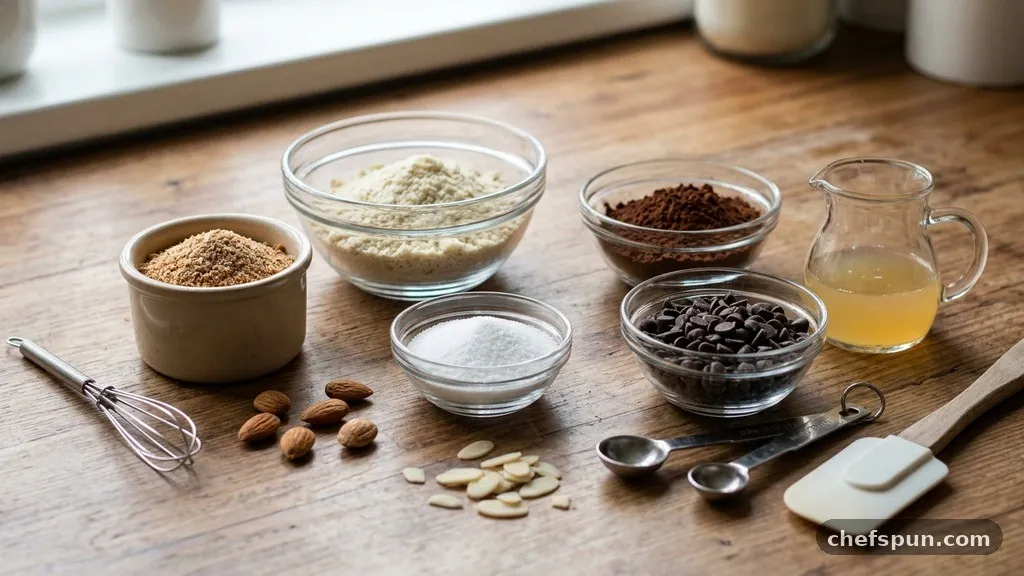
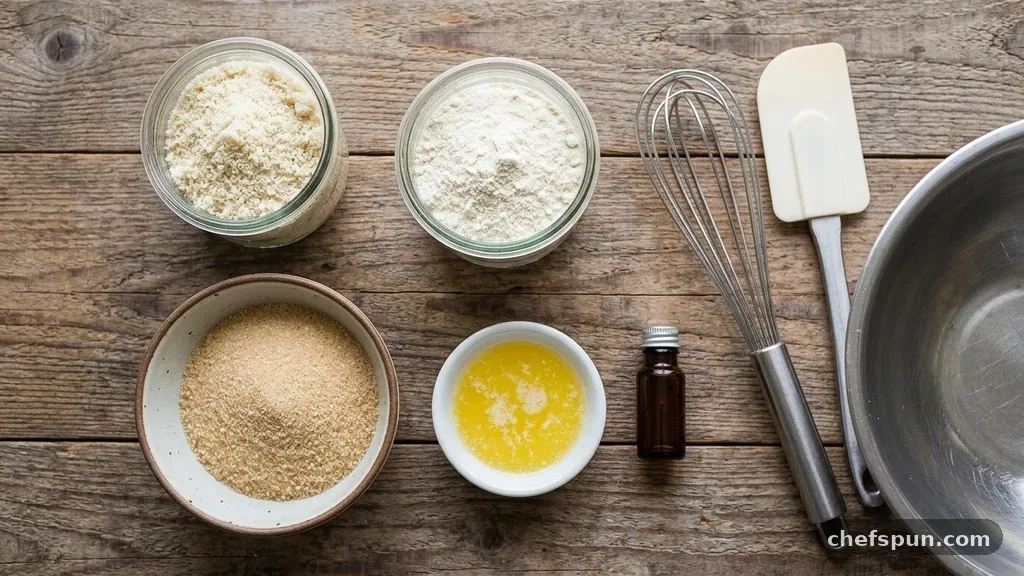
- 2 cups blanched almond flour
- 1/2 cup organic cane sugar
- 1/4 cup finely ground apricot kernels
- 1/4 cup high-quality cocoa powder
- 3 tbsp aquafaba (chickpea brine)
- 1 tsp pure vanilla extract
- 1/2 tsp almond extract
- 1/8 tsp sea salt
- 1/4 cup powdered sugar for dusting (optional)
Instructions
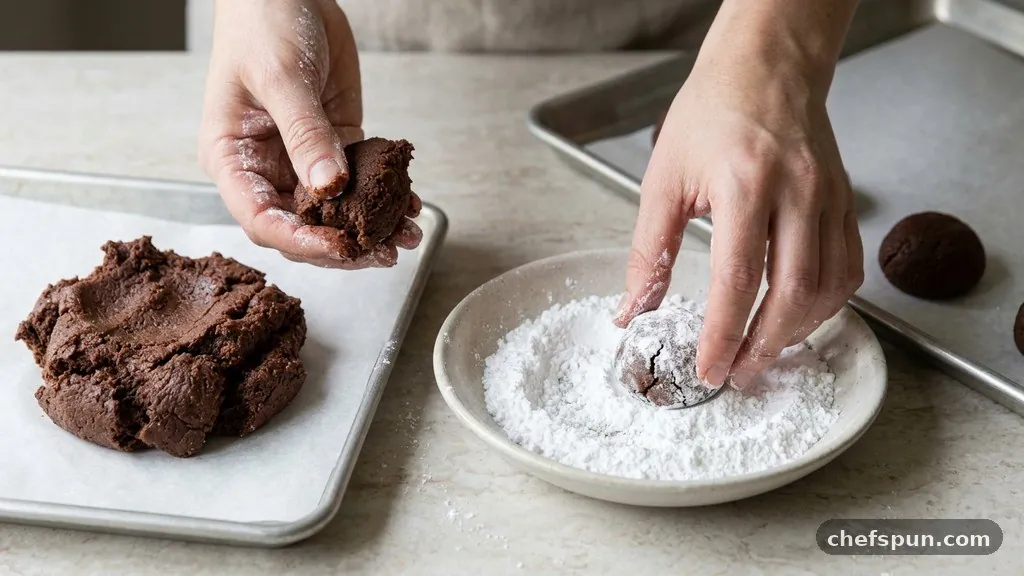
- Preheat oven to 325°F (165°C) and line a large baking sheet with parchment paper to ensure the cookies do not stick.
- In a large mixing bowl, combine the almond flour, sugar, cocoa powder, and finely ground apricot kernels, ensuring there are no large clumps remaining.
- Add the aquafaba, vanilla extract, and almond extract to the dry mixture, stirring until a thick, uniform paste forms.
- Use a small scoop to portion the mixture into 12 equal-sized balls, rolling them gently between your palms to smooth the edges.
- Place the balls onto the prepared baking sheet, spacing them at least two inches apart since they will spread slightly.
- Press down gently on the top of each ball with your thumb to create a classic, slightly flattened shape.
- Bake for 18 to 22 minutes, or until the edges are firm and the tops show fine, characteristic cracks.
- Remove from the oven and allow the cookies to cool completely on the tray, as they remain fragile while warm.
The Role of Apricot Kernels in Amaretti
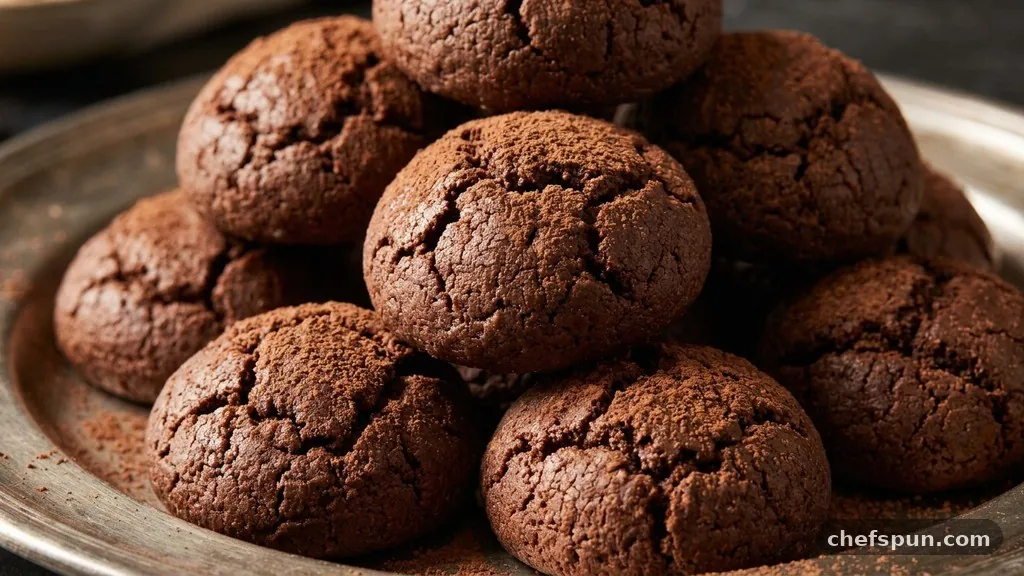
The distinct, slightly bitter flavor associated with traditional amaretti often comes from the inclusion of specific stone fruit pits. Using apricot kernels provides a depth of flavor that standard sweet almonds simply cannot replicate on their own. These kernels contain benzaldehyde, the compound responsible for that iconic “marzipan” scent and taste found in high-end Italian baking.
When you incorporate them into your dough, you are tapping into a centuries-old technique that elevates the profile of your homemade biscuits. Always ensure your kernels are sourced from reputable suppliers who process them for culinary use.
Achieving the Perfect Texture
Texture is the hallmark of a great cookie, and achieving that balance between crispy and chewy requires attention to detail. The secret lies in the interaction between the almond flour and the binding agent, which in this vegan version is aquafaba. Aquafaba acts as a remarkable substitute for egg whites, providing the necessary lift and structure without adding unwanted flavor.
If you find your dough is too dry, add an extra teaspoon of liquid at a time until the consistency is pliable but not sticky. Proper measurement of your dry ingredients ensures the crumb remains tender rather than dense or overly brittle.
The Science of Aquafaba
Aquafaba is the viscous liquid found in canned chickpeas and is a secret weapon for vegan bakers everywhere. It is composed of a complex mixture of proteins and starches that mimic the functional properties of albumin found in egg whites. When whipped or folded into a recipe, it helps create the delicate internal structure necessary for light, airy cookies.
You can learn more about the chemistry of this versatile pantry staple through the Institute of Food Technologists regarding plant-based emulsifiers. Using it to bind your ingredients ensures your treats remain stable throughout the baking process.
Selecting Quality Cocoa
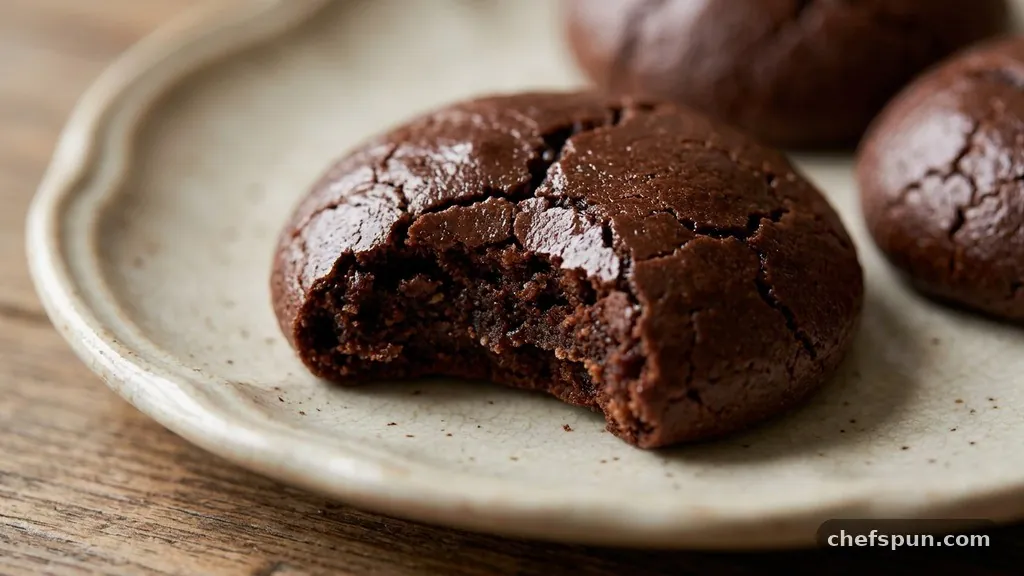
Because these cookies feature a prominent chocolate profile, the quality of your cocoa powder is paramount. Opt for a Dutch-processed cocoa if you prefer a deeper, darker color and a smoother, less acidic flavor profile. Natural cocoa powder, on the other hand, will offer a brighter, fruitier note that can complement the bitterness of the apricot kernels.
Experimenting with different percentages of cocoa allows you to tailor the intensity of the chocolate to your personal preference. Always sift your cocoa before adding it to the bowl to prevent stubborn lumps from marring the finished texture.
Mastering the Folding Technique
When combining your wet and dry ingredients, avoid over-mixing the dough. Aggressive handling can cause the natural oils in the almond flour to release prematurely, leading to a greasy cookie that loses its shape in the oven. Use a gentle folding motion with a silicone spatula, scraping the sides and bottom of the bowl frequently.
You want the mixture to come together into a cohesive mass that is easy to handle and roll. If the dough feels too soft, let it rest in the refrigerator for 15 minutes before attempting to shape the individual portions.
Temperature Control During Baking
The temperature of your oven significantly impacts the final result of your baking. A moderate temperature of 325°F is ideal for these cookies, as it allows the center to set without burning the exterior sugars. If your oven tends to run hot, consider using an oven thermometer to verify the actual internal temperature.
Placing your baking sheet on the center rack promotes even airflow, ensuring that all cookies bake at a consistent rate. Avoid opening the oven door during the first 15 minutes of baking, as the sudden drop in heat can cause the delicate structure to collapse.
Cooling and Resting
Patience is a virtue when waiting for your cookies to cool. They will be incredibly soft and fragile immediately after coming out of the oven, as the sugars and fats need time to solidify. Allowing them to cool completely on the pan, or transferring them to a wire rack after 10 minutes, is essential for achieving the right bite.
If you attempt to move them too early, they may crumble or lose their shape entirely. Once fully cooled, the exterior will develop that signature crispness while the interior remains wonderfully soft and chewy.
Storage and Preservation
Proper storage is key to maintaining the freshness of your homemade treats for several days. Keep them in an airtight container at room temperature, ideally with a small piece of parchment paper between layers to prevent sticking. If you live in a humid climate, the cookies may lose their crisp exterior over time; a quick toast in a low-heat oven can help restore their texture.
For longer storage, you can freeze the baked cookies for up to three months. Simply thaw them at room temperature for an hour before serving to enjoy them at their best.
Common Baking Mistakes
One common mistake is using almond meal instead of blanched almond flour. Almond meal contains the skins of the almonds, which introduces a coarser texture and a darker color that might interfere with the desired appearance. Another frequent error is failing to press the dough balls down, which prevents them from developing the signature cracks that define the look of this classic treat.
If the cookies spread too much, your kitchen might be too warm, or the ratio of dry to wet ingredients may be slightly off. Always measure your ingredients by weight if possible, as this provides the most consistent results.
FAQ
Can I substitute the apricot kernels with regular almonds?
Yes, you can substitute them, but you will lose the distinct, slightly bitter almond flavor that characterizes authentic amaretti. If you use regular almonds, consider adding a few drops of high-quality bitter almond extract to bridge the flavor gap.
Why is my dough crumbling and not holding together?
Your dough is likely too dry, which often happens if the almond flour was packed too tightly during measurement. Add another tablespoon of aquafaba or a splash of water and knead the dough gently until it reaches the right consistency.
Is it possible to make these cookies without cocoa powder?
Certainly, omitting the cocoa powder will result in a traditional, golden-colored amaretti cookie. Simply replace the cocoa with an equal volume of extra almond flour to maintain the correct structural ratio.
How do I know when the cookies are fully baked?
Look for a light golden-brown color on the edges and visible cracks across the top of the cookies. The center should feel set to the touch but still retain a slight softness, as they will firm up significantly during the cooling process.
Can I use a different sweetener instead of cane sugar?
While cane sugar provides the best texture and crispness, you can experiment with coconut sugar for a caramel-like depth. Keep in mind that granular sweeteners work best, as liquid sweeteners like maple syrup will alter the hydration levels of the dough too much.
Conclusion
Creating these Apricot Kernel Vegan Chocolate Amaretti Cookies at home is a rewarding experience that yields a sophisticated, delicious treat. By balancing the bitterness of the apricot kernels with the richness of cocoa, you create a complex flavor profile that stands out from standard desserts. Remember that the quality of your ingredients and the patience shown during the cooling process are the most important factors in your success.
Whether you are sharing them with friends or enjoying them with a quiet afternoon coffee, these cookies offer a perfect, plant-based indulgence. We hope you enjoy the process of perfecting your own batch of these delightful treats.
Apricot Kernel Vegan Chocolate Amaretti Cookies
Baking a batch of Apricot Kernel Vegan Chocolate Amaretti Cookies is a delightful way to explore plant-based pastry without sacrificing the signature texture of classic Italian treats.
Ingredients
- 2 cups blanched almond flour
- 1/2 cup organic cane sugar
- 1/4 cup finely ground apricot kernels
- 1/4 cup high-quality cocoa powder
- 3 tbsp aquafaba (chickpea brine)
- 1 tsp pure vanilla extract
- 1/2 tsp almond extract
- 1/8 tsp sea salt
- 1/4 cup powdered sugar for dusting (optional)
Instructions
- Preheat oven to 325°F (165°C) and line a large baking sheet with parchment paper to ensure the cookies do not stick.
- In a large mixing bowl, combine the almond flour, sugar, cocoa powder, and finely ground apricot kernels, ensuring there are no large clumps remaining.
- Add the aquafaba, vanilla extract, and almond extract to the dry mixture , stirring until a thick, uniform paste forms.
- Use a small scoop to portion the mixture into 12 equal-sized balls , rolling them gently between your palms to smooth the edges.
- Place the balls onto the prepared baking sheet, spacing them at least two inches apart since they will spread slightly.
- Press down gently on the top of each ball with your thumb to create a classic, slightly flattened shape.
- Bake for 18 to 22 minutes, or until the edges are firm and the tops show fine, characteristic cracks.
- Remove from the oven and allow the cookies to cool completely on the tray, as they remain fragile while warm.
Similar Posts
Gingerbread Man Sandwich
Creating a delightful Gingerbread Man Sandwich is a wonderful way to bring seasonal cheer to your kitchen. By pairing two spiced cookies with a velvety sweet filling, you transform standard treats into a substantial dessert that stands out at any holiday gathering. Jump to Recipe Ingredients Instructions Mastering the Cookie Base Achieving the perfect texture…
Healthy Christmas Cookies
Making healthy Christmas cookies allows you to enjoy the festive season without sacrificing your nutritional goals. By swapping refined sugars for natural sweeteners and choosing nutrient-dense flours, you can create treats that satisfy your sweet tooth while keeping blood sugar levels more stable. These mindful adjustments ensure that every bite remains delicious, festive, and satisfying…
5 Ingredient Vegan Homemade Nutella
Crafting a decadent 5 Ingredient Vegan Homemade Nutella at home transforms your pantry staples into a rich, velvety treat that rivals any store-bought version. By focusing on high-quality roasted nuts and pure cocoa, you create a sophisticated plant-based spread that is free from palm oil and unnecessary additives. This simple process relies on just a…
Meringue Ghosts
Creating light, airy, and whimsical meringue ghosts is a perfect way to celebrate the spooky season with a sweet treat that feels both sophisticated and fun. These delicate cookies melt in your mouth, offering a crisp exterior that gives way to a cloud-like interior. Whether you are hosting a themed party or simply looking for…
Crispy Spiralized Baked Potatoes Fries
Preparing crispy spiralized baked potatoes fries is a fantastic way to transform humble root vegetables into a visually stunning and deeply satisfying snack. By using a spiralizer to create long, uniform strands, you increase the surface area of the potato, which allows for significantly more crunch in every single bite. These curly, golden-brown treats offer…
Healthy Hot Chocolate
Crafting a cup of healthy hot chocolate is a simple way to satisfy a craving for something indulgent while fueling your body with quality nutrients. Unlike store-bought packets loaded with refined sugars and artificial thickeners, this version highlights the deep, earthy profile of pure cacao. You will find that using whole-food ingredients creates a luxurious,…