Overnight Oats Without Yogurt
Preparing overnight oats without yogurt is a simple way to enjoy a creamy, nutrient-dense breakfast that fits perfectly into a busy morning routine. Many people find that avoiding dairy or thick additives creates a lighter result, allowing the natural flavor of the grains to shine through. By mastering the soaking process, you can achieve a satisfying texture that rivals any store-bought bowl.
This method relies on the power of absorption to soften grains while keeping everything plant-based and refreshing. Whether you are looking for a quick meal prep solution or just want to try a different approach, this guide covers everything you need for success.
- Prep time: 15 minutes
- Cook time: 30 minutes
- Total time: 45 minutes
- Servings: 4
- Calories: 420 per serving
Ingredients
- 2 cups old-fashioned rolled oats
- 2 1/2 cups unsweetened almond milk or oat milk
- 4 tablespoons chia seeds
- 2 tablespoons pure maple syrup
- 1 teaspoon vanilla extract
- 1/4 teaspoon sea salt
- 4 tablespoons creamy almond butter or peanut butter
- 1 cup fresh berries, such as blueberries or sliced strawberries
Instructions
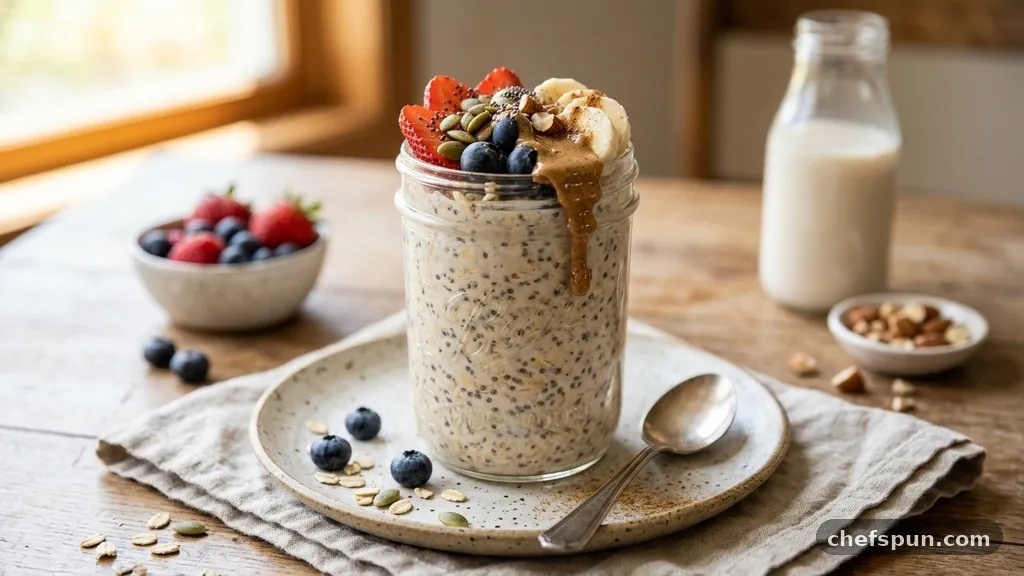
- In a large mixing bowl, whisk together the almond milk, maple syrup, vanilla extract, and salt until the sweetener is fully dissolved.
- Add the rolled oats and chia seeds to the liquid mixture, stirring thoroughly to ensure every grain is coated.
- Divide the mixture evenly into four glass mason jars, leaving about an inch of space at the top for toppings.
- Seal each jar with an airtight lid and place them in the refrigerator for a minimum of four hours, though overnight is preferred for optimal texture.
- Before serving, stir in one tablespoon of nut butter per jar to add richness and protein.
- Top each jar with a portion of fresh berries and serve cold directly from the refrigerator.
Understanding the Liquid-to-Oat Ratio
Achieving the perfect consistency starts with understanding how the liquid-to-oat ratio influences your final meal. Because you are omitting yogurt, which usually provides thickness, your choice of base liquid is the primary factor in determining how creamy the mixture becomes. A standard starting point is a one-to-one ratio of oats to liquid, but many prefer a slightly higher liquid volume to ensure the grains are fully submerged.
If you find that your oats are too dry after resting, you may need to add a splash more milk before eating. Conversely, if the consistency feels too thin, increasing the proportion of chia seeds can help absorb excess moisture.
These seeds are essential for creating a pudding-like density without needing dairy-based thickeners. Experimenting with different plant-based milks, such as soy or coconut milk, will also change the viscosity and flavor profile of the dish.
The Role of Chia Seeds and Flax Seeds
Chia seeds are a non-negotiable component when you decide to prepare overnight oats without yogurt. These tiny powerhouses absorb several times their weight in liquid, which is exactly what creates that signature gel-like structure. Without them, the mixture would simply be soggy grains floating in milk rather than a cohesive breakfast bowl.
Flax seeds are another excellent addition if you want to boost the nutritional profile of your morning meal. Ground flax seeds contribute a nutty flavor and provide healthy omega-3 fatty acids, further enhancing the satiety of the dish.
While chia seeds provide the structural “glue,” flax seeds add a subtle earthiness that pairs well with maple syrup and vanilla. Combining both types of seeds allows for a more complex texture and a higher concentration of dietary fiber.
Selecting the Right Oats
Not all oats are created equal when it comes to long-term soaking. Rolled oats, often called old-fashioned oats, are the gold standard because they have been steamed and flattened to absorb moisture efficiently while maintaining their shape. If you use instant oats, they tend to turn into a mushy paste, which lacks the pleasant chew most people enjoy.
Steel-cut oats are technically possible to use, but they require a much longer soaking time and remain significantly crunchier than their rolled counterparts. For the best balance of texture and convenience, stick to high-quality rolled oats.
You can find more information on the nutritional benefits of whole grains through the official nutrition resources provided by the USDA. Choosing the right grain ensures that your breakfast remains satisfying rather than turning into a watery mess by morning.
Flavoring Without Dairy
When you remove yogurt from the equation, you open up a world of possibilities for customizing your flavor profile. Sweetener options like pure maple syrup, agave nectar, or even mashed dates can provide a deep, complex sweetness that complements the oats. Vanilla extract is a foundational ingredient that bridges the gap between the nutty grain flavor and the creamy milk base.
If you want to add more substance, consider incorporating protein powder into your base mixture. This is an effective way to turn a simple bowl of oats into a high-protein meal that keeps you full until lunch.
Just be sure to stir the powder in thoroughly with the liquid before adding the oats to prevent clumping. You can also experiment with spices like cinnamon, cardamom, or nutmeg to add warmth without adding calories or sugar.
The Importance of Proper Storage
Using mason jars for your breakfast preparation is more than just an aesthetic choice. A glass mason jar provides an airtight container that prevents the oats from absorbing odors from other items in your refrigerator. This is critical if you are storing your meals for several days at a time.
Proper refrigerator storage ensures that the oats remain food-safe and maintain their intended texture. While these jars can last for up to five days in the fridge, the quality is usually highest within the first two or three days.
If you notice any separation of the liquid, simply give the mixture a quick stir before digging in. Always ensure your jars are clean and dry before you begin the assembly process to maximize the shelf life of your ingredients.
Enhancing Texture and Presentation
Breakfast portion control is much easier to manage when you pre-portion your ingredients into individual jars. This strategy prevents overeating and ensures you have a ready-to-grab meal during busy weekday mornings. To keep things interesting, vary your toppings based on the season.
Fresh berries are a classic choice, but toasted nuts, shredded coconut, or even a drizzle of dark chocolate can add a necessary crunch. Texture optimization is all about contrast; if the base is creamy, adding something crispy or fresh on top makes the experience much more enjoyable. By keeping your base recipe neutral, you can change the toppings every day so that your meal never feels repetitive or boring.
Addressing Dietary Needs
Creating a plant-based breakfast is straightforward when you rely on almond, soy, or oat milk as your base. These dairy-free alternatives are widely available and offer different flavor profiles, from the subtle nuttiness of almond to the creamy sweetness of oat milk. Because you are avoiding yogurt, you are also naturally avoiding the added sugars often found in flavored dairy products.
This approach is inherently gluten-free if you ensure that you purchase certified gluten-free oats. If you have specific dietary goals, such as increasing your intake of healthy fats, you can easily fold in nut butter or seeds.
The flexibility of this dish means you can adjust the nutrient density to match your specific health goals. It is a highly adaptable format that works for almost any lifestyle.
FAQ
Can I use water instead of milk?
Using water is possible, but it will result in a significantly less creamy and flavorful dish. Milk, whether dairy-based or plant-based, provides the necessary fat and protein to create a rich, satisfying texture. If you must use water, consider adding a tablespoon of nut butter or a scoop of protein powder to compensate for the lost richness.
How do I prevent my oats from becoming too mushy?
To avoid a mushy texture, use old-fashioned rolled oats rather than instant or quick-cooking varieties. Additionally, do not exceed the recommended soaking time of 24 hours. If you prefer a firmer bite, use slightly less liquid in your initial mixture and stir in a small amount of extra milk just before serving.
Are these suitable for meal prep?
These are ideal for meal prep and can be stored in the refrigerator for up to five days. It is best to add fresh fruit toppings only when you are ready to eat to prevent the fruit from becoming soft or releasing too much liquid into the oats. Keeping the jars sealed tightly is the key to maintaining freshness throughout the week.
What if I don’t have chia seeds?
Chia seeds are essential for the classic pudding-like consistency, but you can substitute them with ground flax seeds or hemp hearts. Keep in mind that these alternatives may not absorb liquid as efficiently as chia seeds, so you might need to adjust your liquid-to-oat ratio slightly. If you omit seeds entirely, the final product will be much thinner and more similar to a standard porridge.
Can I heat them up?
While these are traditionally eaten cold, they can certainly be warmed up if you prefer a hot breakfast. You can microwave the mixture for 60 to 90 seconds or heat it gently on the stovetop, adding a splash of extra milk if it thickens too much. Just be aware that heating might change the texture of the fruit toppings, so it is often better to add fresh fruit after the oats have been warmed.
Conclusion
Mastering the art of making overnight oats without yogurt allows for a refreshing, plant-based breakfast that is both customizable and convenient. By choosing high-quality rolled oats, utilizing chia seeds for the perfect consistency, and experimenting with different plant-based milks, you can create a meal that fits your unique palate. The beauty of this method lies in its simplicity and the way it supports healthy habits through easy meal prep.
As you get comfortable with the base recipe, feel free to rotate your toppings and sweeteners to keep your mornings exciting. Start your next batch tonight and enjoy the ease of a ready-to-eat breakfast tomorrow morning.
Overnight Oats Without Yogurt
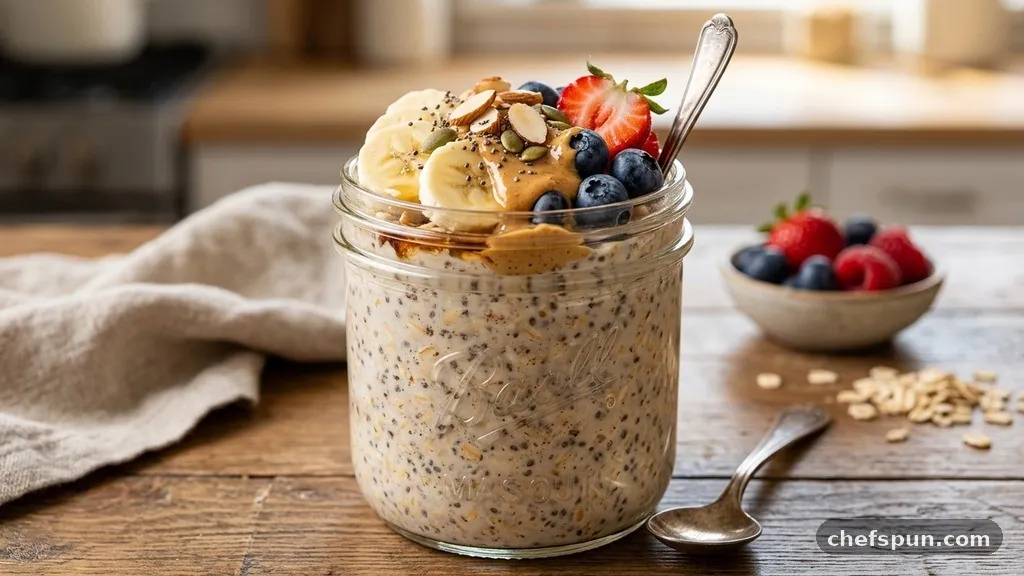
Preparing overnight oats without yogurt is a simple way to enjoy a creamy, nutrient-dense breakfast that fits perfectly into a busy morning routine. Many people find that avoiding dairy or thick additives creates a lighter result, allowing the natural flavor of the grains to shine through.
Ingredients
- 2 cups old-fashioned rolled oats
- 2 1/2 cups unsweetened almond milk or oat milk
- 4 tablespoons chia seeds
- 2 tablespoons pure maple syrup
- 1 teaspoon vanilla extract
- 1/4 teaspoon sea salt
- 4 tablespoons creamy almond butter or peanut butter
- 1 cup fresh berries , such as blueberries or sliced strawberries
Instructions
- In a large mixing bowl, whisk together the almond milk, maple syrup, vanilla extract, and salt until the sweetener is fully dissolved.
- Add the rolled oats and chia seeds to the liquid mixture, stirring thoroughly to ensure every grain is coated.
- Divide the mixture evenly into four glass mason jars , leaving about an inch of space at the top for toppings.
- Seal each jar with an airtight lid and place them in the refrigerator for a minimum of four hours, though overnight is preferred for optimal texture.
- Before serving, stir in one tablespoon of nut butter per jar to add richness and protein.
- Top each jar with a portion of fresh berries and serve cold directly from the refrigerator.
Similar Posts
Healthy Halloween Treats
Finding ways to celebrate the season without relying on processed sugars can transform your holiday experience. Healthy Halloween treats offer a wonderful opportunity to involve the whole family in the kitchen while keeping energy levels stable and spirits high. By focusing on whole foods and creative presentation, you can whip up snacks that are just…
Best Vegan Christmas Recipes
Finding the best Vegan Christmas Recipes that satisfy both plant-based eaters and traditionalists can transform your holiday table. Whether you are planning a full plant-based feast or just looking for a standout main dish, these selections focus on deep flavors, festive colors, and satisfying textures. You will find that these dishes hold their own against…
Overnight Oats
Preparing a bowl of Overnight Oats is one of the most effective ways to simplify your morning routine while ensuring you start the day with balanced nutrition. By combining simple pantry staples in mason jars and allowing them to soften in the refrigerator, you create a creamy, ready-to-eat breakfast that saves precious time during the…
Almond Crescent Cookies Healthy
Making almond crescent cookies healthy is an excellent way to enjoy a classic treat without compromising your nutritional goals. By replacing refined sugars and heavy flours with wholesome alternatives, you can create a satisfying dessert that fits into a balanced lifestyle. These cookies offer the nutty flavor and delicate texture you love while providing better…
Meringue Ghosts
Creating light, airy, and whimsical meringue ghosts is a perfect way to celebrate the spooky season with a sweet treat that feels both sophisticated and fun. These delicate cookies melt in your mouth, offering a crisp exterior that gives way to a cloud-like interior. Whether you are hosting a themed party or simply looking for…