Chocolate Chickpea Flour Cookies
Baking with legumes might sound unusual, but chocolate chickpea flour cookies offer a surprisingly rich, fudgy texture that rivals traditional flour-based treats. By using chickpea flour as a base, you gain a protein-packed snack that is naturally gluten-free and incredibly satisfying.
These cookies balance an earthy base with the decadence of dark cocoa, making them a perfect choice for those seeking a healthier dessert option. Whether you are looking to diversify your pantry staples or simply want to try a new baking technique, this recipe delivers consistent, delicious results.
- Prep time: 15 minutes
- Cook time: 30 minutes
- Total time: 45 minutes
- Servings: 4
- Calories: 420 per serving
Ingredients
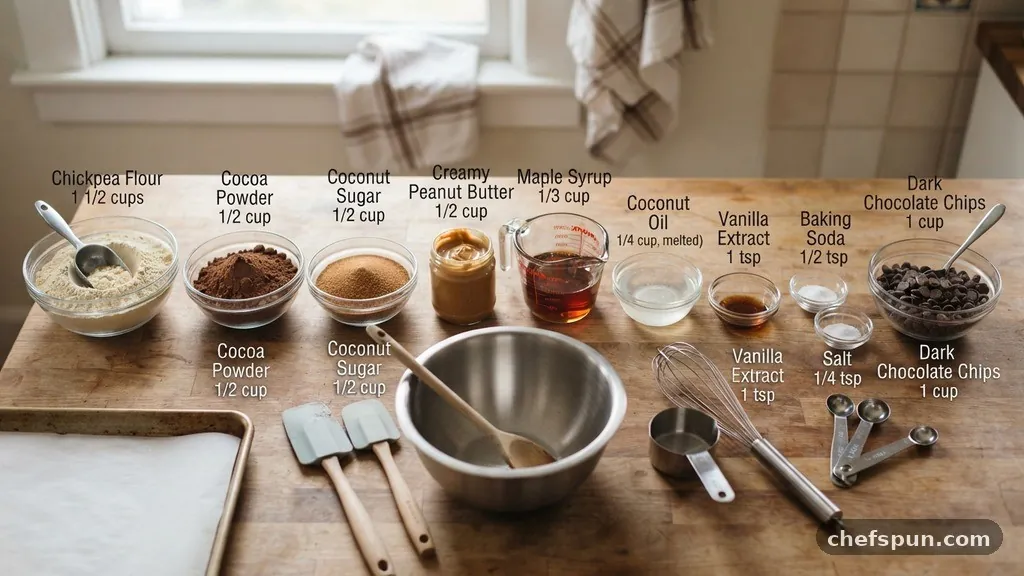
- 1.5 cups chickpea flour
- 0.5 cup unsweetened cocoa powder
- 0.5 tsp baking soda
- 0.25 tsp sea salt
- 0.5 cup maple syrup
- 0.33 cup melted coconut oil
- 1 tsp vanilla extract
- 0.5 cup vegan chocolate chips
Instructions
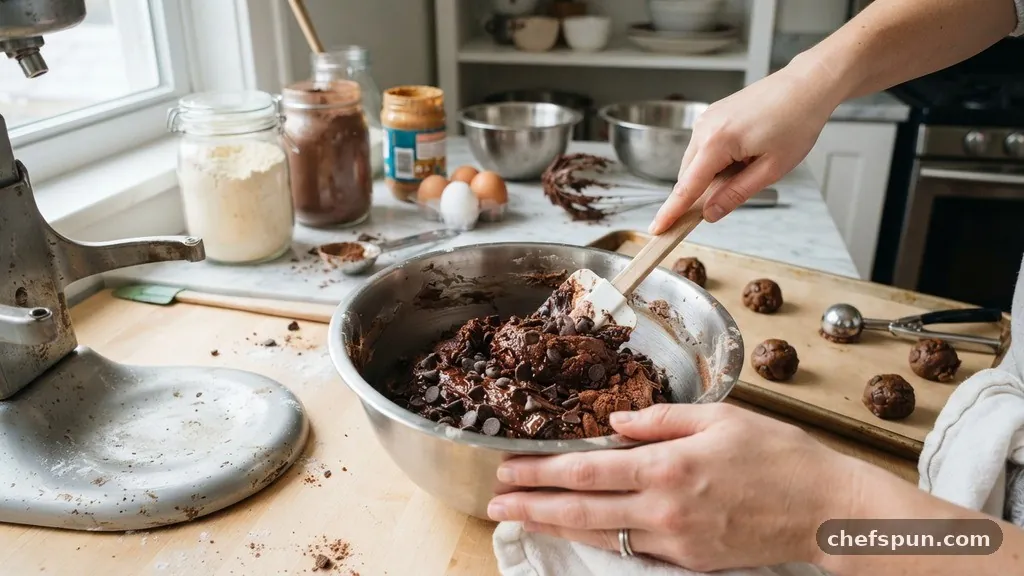
- Preheat your oven to 350°F (175°C) and line a large baking sheet with parchment paper to prevent sticking.
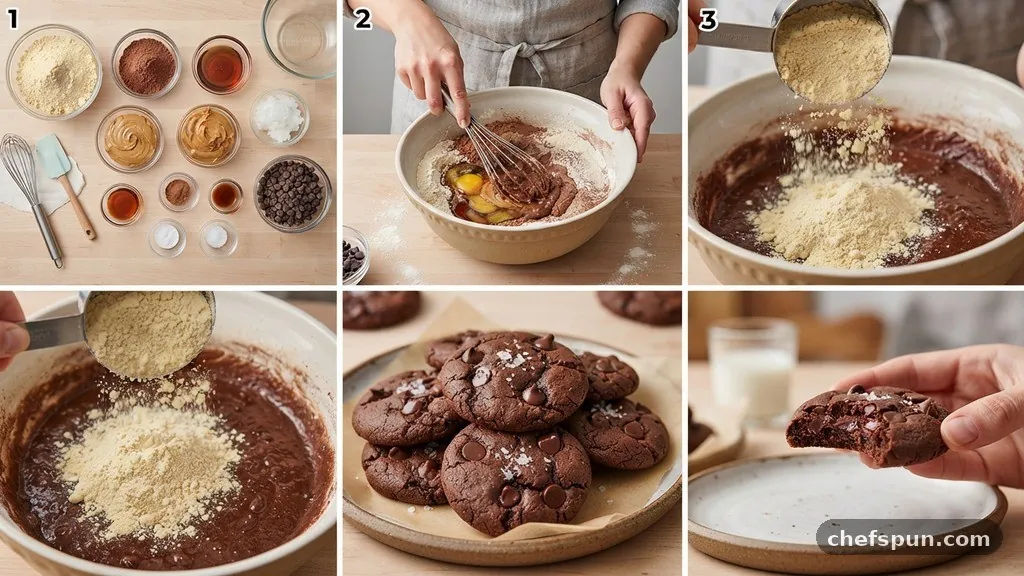
- Whisk the chickpea flour, cocoa powder, baking soda, and salt in a large mixing bowl until no lumps remain.
- Create a well in the center of your dry ingredients and pour in the maple syrup, melted coconut oil, and vanilla extract.
- Stir the mixture thoroughly with a wooden spoon or spatula until a thick, uniform dough forms.
- Fold in the vegan chocolate chips gently, ensuring they are evenly distributed throughout the dark dough.
- Scoop rounded tablespoons of the mixture onto your prepared baking sheet, spacing them about two inches apart.
- Flatten each scoop slightly with the palm of your hand, as these cookies will not spread much on their own.
- Bake for 12 to 15 minutes until the edges are firm and the tops look dry.
- Remove the sheet from the oven and let the cookies cool on the pan for at least 10 minutes to set.
- Transfer them to a wire rack to cool completely before serving.
Understanding the Role of Chickpea Flour
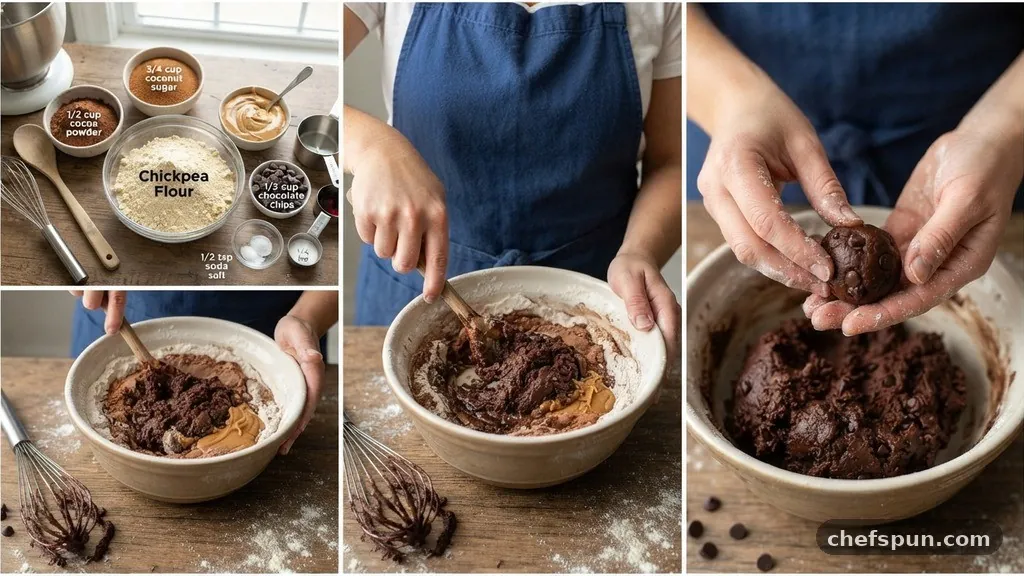
Chickpea flour, often referred to as besan or gram flour, is a powerhouse in gluten-free baking. Unlike wheat flour, which relies on gluten for structure, this legume-based alternative provides a dense, nutty profile that holds shape well. It contains significantly more protein and fiber than traditional all-purpose flour, which helps keep you full longer after enjoying a dessert.
When you work with this ingredient, you will notice it behaves differently than refined grains. It absorbs moisture quite rapidly, which is why the ratio of wet to dry ingredients is so critical in this recipe. If your dough feels too crumbly, adding an extra teaspoon of maple syrup can help bind the particles together.
You can learn more about the nutritional benefits of incorporating various legumes into your diet by visiting the Harvard T.H. Chan School of Public Health food features.
Using high-quality, finely ground flour ensures your chocolate chickpea flour cookies have a smooth mouthfeel rather than a gritty texture. Always store your flour in an airtight container to keep it fresh and prevent it from absorbing ambient kitchen odors.
The Science of Binding and Texture
Creating the perfect cookie without eggs or wheat requires a careful balance of fats and sugars. Coconut oil acts as the primary fat, providing a stable structure that solidifies as the cookies cool down. Because this fat is solid at room temperature, it gives the finished product a satisfying snap rather than a greasy finish.
Maple syrup serves two purposes: it provides deep sweetness and acts as the liquid binder for the chickpea flour. Since the flour is naturally quite dry, the syrup provides the necessary moisture to prevent the cookies from turning into dust. You should avoid substituting the syrup with granulated sugar, as that would alter the hydration levels of the dough significantly.
The chocolate chips add bursts of melted sweetness that contrast with the savory, roasted notes of the chickpea base. If you prefer a more intense flavor, use chips with a higher cocoa percentage. The interaction between the cocoa powder and the chickpea flour creates a brownie-like density that is highly addictive.
Mastering the Baking Process
Temperature control is essential when baking with chickpea-based doughs. If your oven is too hot, the exterior will darken before the center has a chance to set properly. Aim for a moderate temperature, and always use a light-colored metal pan to ensure even browning.
Parchment paper is not optional here; it is a necessity for a clean removal process. Because these cookies are delicate when warm, trying to lift them directly off the metal tray will likely cause them to crumble. You must allow them to rest on the hot tray for at least ten minutes to finish cooking through residual heat.
Once you transfer them to a cooling rack, the texture will continue to firm up as the coconut oil sets. If you find the cookies are still too soft after an hour, they may need a few extra minutes in the oven next time. Consistency is key, so use a measuring cup for the flour rather than scooping directly from the bag to avoid packing the flour too tightly.
Tips for Success
* Use a high-speed blender or food processor to ensure your chickpea flour is extra fine if you purchased it in bulk.
* If you find the dough is too sticky to handle, chill it in the refrigerator for 20 minutes before shaping the portions.
* Replace coconut oil with melted vegan butter if you prefer a more traditional, buttery flavor profile in your baked goods.
* Store these treats in an airtight container at room temperature for up to three days, or freeze them for up to a month.
* Avoid over-mixing the dough once the dry and wet ingredients are combined to keep the cookies light.
Frequently Asked Questions
Can I use a different flour instead of chickpea flour?
While you can experiment with almond flour or oat flour, the texture will change significantly. Chickpea flour has a unique binding quality that helps these cookies hold together without eggs, so other flours may require a flax egg or a different binder to achieve the same result.
Why do my cookies taste slightly bitter?
Chickpea flour has a naturally earthy, slightly bitter flavor that is most noticeable when raw. Ensure you bake the cookies until they are fully set, as the heat helps mellow out the raw flavor. Using a high-quality cocoa powder also helps mask the earthiness with deeper chocolate notes.
How can I make these cookies less sweet?
You can reduce the amount of maple syrup by one or two tablespoons, but be aware that the dough might become crumbly. If you do this, add a tablespoon of water or plant-based milk to compensate for the lost moisture. Using extra-dark chocolate chips also helps balance the sweetness profile.
Can I add nuts or seeds to the dough?
Adding chopped walnuts or sunflower seeds provides a great textural contrast to the soft, fudgy center of these cookies. Fold them in at the same time as the chocolate chips. Just keep in mind that adding too many mix-ins can make the dough harder to scoop.
Do I really need to use coconut oil?
Coconut oil provides the structure for these cookies when they cool, which is essential for a vegan recipe without eggs. If you have an allergy, you can try refined avocado oil, but the cookies will be softer and more fragile at room temperature.
Final Thoughts
These chocolate chickpea flour cookies prove that you do not need traditional pantry staples to create a decadent, plant-based dessert. By embracing the unique properties of legume-based flours, you open up a world of nutritious baking possibilities that are both satisfying and easy to prepare. Whether you are managing dietary restrictions or simply exploring new ingredients, this recipe serves as a reliable foundation.
Remember that patience is the final ingredient; letting the cookies cool properly is the secret to achieving that perfect, fudgy texture. Once you master the basics, feel free to experiment with sea salt flakes on top or a dash of espresso powder to enhance the chocolate flavor. Happy baking, and enjoy sharing these wholesome treats with your friends and family.
Chocolate Chickpea Flour Cookies
Baking with legumes might sound unusual, but chocolate chickpea flour cookies offer a surprisingly rich, fudgy texture that rivals traditional flour-based treats. By using chickpea flour as a base, you gain a protein-packed snack that is naturally gluten-free and incredibly satisfying.
Ingredients
- 1.5 cups chickpea flour
- 0.5 cup unsweetened cocoa powder
- 0.5 tsp baking soda
- 0.25 tsp sea salt
- 0.5 cup maple syrup
- 0.33 cup melted coconut oil
- 1 tsp vanilla extract
- 0.5 cup vegan chocolate chips
Instructions
- Preheat your oven to 350°F (175°C) and line a large baking sheet with parchment paper to prevent sticking.
- Whisk the chickpea flour, cocoa powder, baking soda, and salt in a large mixing bowl until no lumps remain.
- Create a well in the center of your dry ingredients and pour in the maple syrup, melted coconut oil, and vanilla extract.
- Stir the mixture thoroughly with a wooden spoon or spatula until a thick, uniform dough forms.
- Fold in the vegan chocolate chips gently, ensuring they are evenly distributed throughout the dark dough.
- Scoop rounded tablespoons of the mixture onto your prepared baking sheet, spacing them about two inches apart.
- Flatten each scoop slightly with the palm of your hand, as these cookies will not spread much on their own.
- Bake for 12 to 15 minutes until the edges are firm and the tops look dry.
- Remove the sheet from the oven and let the cookies cool on the pan for at least 10 minutes to set.
- Transfer them to a wire rack to cool completely before serving.
Similar Posts
Black Bean Brownie
A black bean brownie serves as a clever bridge between indulgent dessert and fiber-rich nutrition. You might wonder if legumes have a place in a chocolate treat, but the results are surprisingly fudgy and rich. By replacing traditional flour with pureed beans, you create a dense, moist texture that satisfies any chocolate craving without the…
Scary Halloween Monsters Bites
Creating scary Halloween monsters bites is the perfect way to bring a touch of eerie excitement to your seasonal celebrations. These treats combine a playful aesthetic with satisfying flavors, ensuring they become the centerpiece of any festive table. Whether you are hosting a large gathering or just want a fun project for an afternoon, these…
Mothers Day Brunch Ideas
Planning the perfect morning meal requires a balance of elegance and ease. Choosing the right Mothers Day Brunch Ideas ensures you spend more time celebrating and less time stuck in the kitchen. Whether you are hosting a small family gathering or a larger group, selecting dishes that offer both flavor and visual appeal is key….
Chocolate Hazelnut Cookies
Baking a batch of homemade Chocolate Hazelnut Cookies brings a sophisticated twist to the classic pantry staple. These treats balance the deep, earthy richness of roasted nuts with the smooth sweetness of cocoa, creating a flavor profile that is nearly impossible to resist. Whether you are prepping for a holiday gathering or simply satisfying a…
Scary Halloween Monsters Bites
Creating delicious Scary Halloween Monsters Bites is a fantastic way to bring a bit of frightful fun to your holiday table without spending hours in the kitchen. These themed snacks combine the flaky texture of buttery dough with sweet or savory fillings, making them a hit with both kids and adults at any festive gathering….
Almond Thumbprint Cookies
Baking a batch of Almond Thumbprint Cookies provides a wonderful sensory experience that fills your home with the warm, nutty aroma of toasted nuts and sweet fruit. These treats balance a buttery, tender base with the bright intensity of preserves, making them a sophisticated yet approachable dessert. Whether you are prepping for a holiday cookie…