
Bitter-Sweet Radicchio Salad With Oranges
Bitter-Sweet Radicchio Salad With Oranges balances the intense, earthy bite of winter greens with the vibrant, sugary acidity of citrus. This sophisticated dish relies on the interplay of contrasting flavors to create a memorable experience that feels both rustic and refined. By pairing the crisp structure of radicchio with juicy segments, you transform a simple bowl of leaves into a standout centerpiece.
Whether you are hosting a formal dinner or seeking a refreshing side for a heavy roast, this preparation offers a perfect harmony that cleanses the palate. Discover how to master this classic combination and bring a bright, seasonal flair to your kitchen table today.
- Prep time: 15 minutes
- Cook time: 30 minutes
- Total time: 45 minutes
- Servings: 4
- Calories: 420 per serving
Ingredients

- 2 heads of radicchio, cored and torn into bite-sized pieces
- 3 navel oranges, peeled and segmented
- 1/2 cup walnuts, roughly chopped
- 1/4 cup extra virgin olive oil
- 2 tbsp aged balsamic vinegar
- 1 tsp Dijon mustard
- 1/2 tsp sea salt
- 1/4 tsp freshly cracked black pepper
- 1/4 cup shaved Pecorino Romano cheese
- 1 tbsp fresh flat-leaf parsley, finely chopped
Instructions

- Preheat your oven to 350°F (175°C) to toast the walnuts.
- Spread the chopped walnuts on a small baking sheet and toast them for 8 to 10 minutes, or until they are fragrant and slightly darkened.
- Remove the walnuts from the oven and let them cool completely on the pan.
- While the nuts cool, prepare the dressing by whisking the olive oil, balsamic vinegar, Dijon mustard, salt, and pepper in a small bowl until emulsified.
- Place the torn radicchio leaves into a large mixing bowl.
- Add the orange segments to the bowl, being careful not to break them too much.
- Pour the prepared dressing over the salad and toss gently to coat every leaf.
- Scatter the toasted walnuts and shaved Pecorino Romano over the top of the salad.
- Finish with a sprinkle of fresh parsley and serve immediately for the best texture.
The Science of Bitter Greens

Radicchio belongs to the chicory family, which is famous for its distinctive, sharp flavor profile. This bitterness comes from a compound called lactucopicrin, which is responsible for the plant’s natural defense mechanism.
When you prepare a Bitter-Sweet Radicchio Salad With Oranges, you are essentially performing a culinary balancing act. The sugars in the oranges act as a direct counterpoint, softening the bite of the greens.
Understanding how to manage this flavor profile is essential for any home cook. If you find the radicchio too aggressive, you can soak the leaves in a bowl of ice water for twenty minutes before serving.
This simple process draws out some of the intense compounds, resulting in a milder, crispier leaf. You can learn more about the nutritional benefits of diverse vegetable consumption through the USDA Agricultural Research Service.
Selecting the Best Oranges

The variety of citrus you choose dictates the overall success of the salad. While navel oranges are standard, blood oranges provide a deeper, berry-like sweetness that looks stunning against the deep purple of the radicchio. Cara Cara oranges are another excellent choice, offering a pinkish hue and a lower acidity level.
Always aim for fruit that feels heavy for its size, as this indicates a high juice content. Avoid oranges with soft spots or dull, shriveled skin, which often signifies that the fruit has been sitting for too long. When segmenting, use a sharp paring knife to remove the pith entirely, as the white membrane can add an unwanted, secondary bitterness that distracts from the sweet notes.
The Role of Fats and Acidity

A great salad relies on the emulsification of the dressing to coat every component evenly. In this recipe, the Dijon mustard acts as a stabilizer, preventing the oil and vinegar from separating on the plate. The richness of the extra virgin olive oil is necessary to bridge the gap between the sharpness of the radicchio and the brightness of the citrus.
Do not skip the addition of the walnuts, as they provide the essential fatty crunch required to round out the mouthfeel. If you want to take the flavor a step further, consider lightly sautéing the radicchio for a minute before serving. This wilts the leaves slightly and brings out a deeper, nuttier flavor that pairs exceptionally well with the vinegar.
Achieving the Perfect Texture
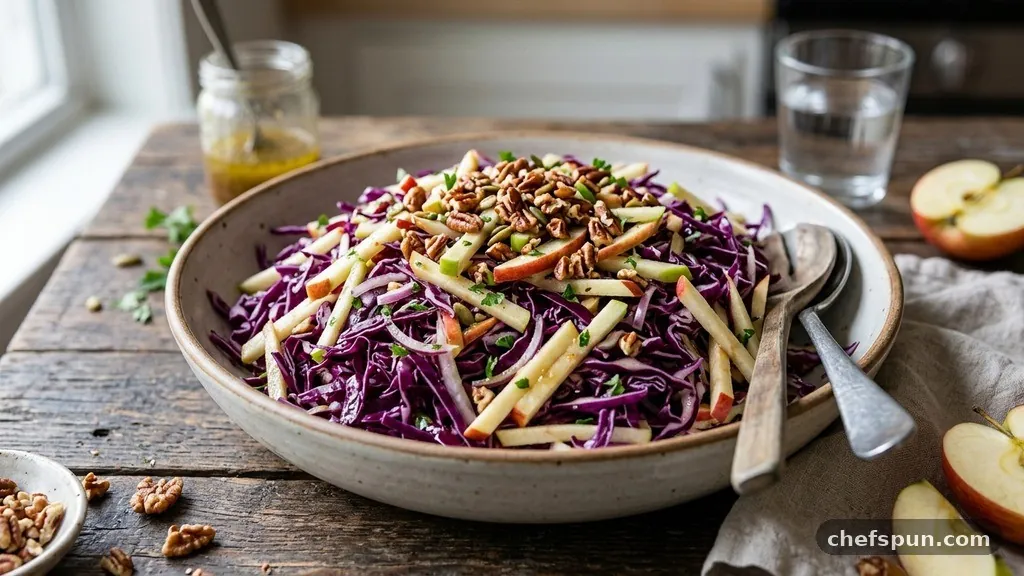
Texture is often the difference between a mediocre salad and a restaurant-quality dish. The radicchio provides a sturdy, crisp base that holds up well against the moisture of the orange segments. If you let the salad sit for too long after dressing, the leaves will lose their integrity and become soggy.
Always toss the salad at the very last second before moving it to the table. If you are preparing this for a dinner party, keep the dressing, the greens, and the toppings in separate containers until the guests are seated. This ensures that every bite retains that satisfying crunch that is so characteristic of a well-made bitter-sweet salad.
Pairing and Serving Suggestions

This salad serves as an ideal accompaniment to fatty, slow-cooked meats or rich, creamy pastas. The bitterness of the radicchio acts as a palate cleanser, cutting through the heaviness of dishes like osso buco or risotto. Because the salad is quite bold, it stands up well to strong flavors without being overwhelmed.
Consider serving it alongside a sharp sheep’s milk cheese or a platter of cured meats. The saltiness of the Pecorino Romano in the recipe is intentional, as it creates a savory bridge between the fruit and the greens. If you prefer a more subtle cheese, shaved Parmesan or even a crumbled gorgonzola can provide a similar, albeit different, depth of flavor.
Common Culinary Mistakes
One of the most frequent errors when working with radicchio is over-dressing the greens. Because the leaves are somewhat delicate despite their firm texture, too much liquid will cause them to collapse. Start with half of your dressing and add more only if the leaves appear dry.
Another mistake involves serving the salad at the wrong temperature. While the ingredients should be fresh, they should not be ice-cold, as extreme cold mutes the nuanced flavors of the citrus. Bring your oranges to room temperature before segmenting, and ensure the radicchio isn’t freezing when it hits the bowl.

Variations on the Theme
While the classic combination of orange and radicchio is hard to beat, you can easily customize the dish to suit your preferences. Adding thinly sliced fennel bulb introduces an anise-like quality that complements the bitterness of the chicory. You might also include pomegranate seeds for an extra pop of color and a different kind of tartness.
If you find yourself without walnuts, toasted hazelnuts or pine nuts are excellent alternatives. For those who enjoy a hint of heat, a pinch of red pepper flakes in the dressing can add a subtle layer of complexity. Do not be afraid to experiment with different types of vinegar, such as a white balsamic or even a splash of sherry vinegar, to change the acidity profile.
Tips
- Soak the radicchio in ice water for 20 minutes to reduce the bitterness level.
- Use a sharp serrated knife to segment the oranges, ensuring you remove all the bitter white pith.
- Toast your walnuts in a dry pan over medium heat if you want to avoid turning on the oven.
- Store any leftover dressing in a sealed glass jar for up to one week in the refrigerator.
- If the salad is too bitter, increase the amount of orange segments or add a teaspoon of honey to the dressing.
FAQ
Can I make this salad ahead of time?
You can prepare the components in advance, but do not combine them until you are ready to eat. Keep the dressing, the chopped nuts, and the cleaned greens in separate containers to ensure the salad stays fresh and crisp.
What if I cannot find radicchio?
Endive or Treviso are the best substitutes for radicchio because they share the same bitter flavor profile. If you cannot find those, a mix of arugula and thinly sliced kale can provide a similar, though slightly less authentic, experience.
Is this salad suitable for a vegan diet?
Yes, the recipe is naturally vegan if you omit the Pecorino Romano or replace it with a plant-based cheese alternative. The dressing, walnuts, and greens are all inherently plant-based ingredients.
How do I store the leftovers?
Once dressed, the salad does not store well as the leaves will wilt. It is best to only dress the portion you intend to consume immediately. If you have plain, undressed greens, store them in a paper towel-lined bag in the crisper drawer to keep them fresh for several days.
Why is my salad so bitter?
Radicchio is naturally bitter, which is a desirable trait for many. If it is overwhelming, you may have used an older head of radicchio, which can develop a stronger, more intense flavor as it ages. Always look for tight, firm heads with vibrant colors for the best results.
Conclusion
Mastering a Bitter-Sweet Radicchio Salad With Oranges requires a keen eye for balance and a respect for the natural intensity of the ingredients. By carefully preparing your components and timing the assembly, you can create a dish that is both visually stunning and incredibly satisfying to eat. The contrast between the sharp, earthy greens and the sweet, juicy citrus is a timeless pairing that belongs in every seasonal repertoire.
We encourage you to experiment with these flavors in your own kitchen to see how small adjustments can lead to big results. Whether you serve it as a light lunch or a side for a special dinner, this salad is sure to become a staple.
Start with high-quality, fresh produce and enjoy the process of bringing these bold flavors together. Happy cooking, and feel free to share your own favorite variations with others.
Bitter-Sweet Radicchio Salad With Oranges

Bitter-Sweet Radicchio Salad With Oranges balances the intense, earthy bite of winter greens with the vibrant, sugary acidity of citrus. This sophisticated dish relies on the interplay of contrasting flavors to create a memorable experience that feels both rustic and refined.
Ingredients
- 2 heads of radicchio, cored and torn into bite-sized pieces
- 3 navel oranges, peeled and segmented
- 1/2 cup walnuts, roughly chopped
- 1/4 cup extra virgin olive oil
- 2 tbsp aged balsamic vinegar
- 1 tsp Dijon mustard
- 1/2 tsp sea salt
- 1/4 tsp freshly cracked black pepper
- 1/4 cup shaved Pecorino Romano cheese
- 1 tbsp fresh flat-leaf parsley, finely chopped
Instructions
- Preheat your oven to 350°F (175°C) to toast the walnuts.
- Spread the chopped walnuts on a small baking sheet and toast them for 8 to 10 minutes, or until they are fragrant and slightly darkened.
- Remove the walnuts from the oven and let them cool completely on the pan.
- While the nuts cool, prepare the dressing by whisking the olive oil, balsamic vinegar, Dijon mustard, salt, and pepper in a small bowl until emulsified.
- Place the torn radicchio leaves into a large mixing bowl.
- Add the orange segments to the bowl, being careful not to break them too much.
- Pour the prepared dressing over the salad and toss gently to coat every leaf.
- Scatter the toasted walnuts and shaved Pecorino Romano over the top of the salad.
- Finish with a sprinkle of fresh parsley and serve immediately for the best texture.
Similar Posts
Chocolate Hazelnut Cookies
Making perfect Chocolate Hazelnut Cookies at home is a rewarding experience that balances rich cocoa notes with the earthy crunch of toasted nuts. Whether you are looking for a chewy center or a crisp edge, this combination remains a timeless favorite for any baker. By mastering a few simple techniques, you will produce professional-quality treats…
Traditional Vegan Chickpea And Potato Curry Chana Aloo
Traditional Vegan Chickpea And Potato Curry Chana Aloo is a beloved staple in many households, offering a perfect balance of earthy legumes and tender tubers. This plant-based dish relies on a fragrant blend of warming spices to create a deep, savory profile that satisfies both vegans and omnivores alike. Whether you are looking for a…
Crunchy Apple Red Cabbage Salad With Vinaigrette
A vibrant, refreshing bowl of crunchy apple red cabbage salad with vinaigrette offers the perfect balance of texture and flavor for any meal. This dish combines the earthiness of shredded cabbage with the sweet, crisp bite of fresh apples, all tied together by a zesty, balanced dressing. It serves as an ideal side for heavy…
Herb-Roasted Rainbow Potatoes Recipe
Preparing a colorful Herb-Roasted Rainbow Potatoes Recipe is an excellent way to bring vibrancy and flavor to your dinner table. These small, waxy tubers offer a delightful contrast of textures, with crispy skins giving way to creamy, tender centers. By using a mix of red, gold, and purple varieties, you ensure the dish is as…
Meringue Ghosts
Creating light, airy, and whimsical meringue ghosts is a perfect way to celebrate the spooky season with a sweet treat that feels both sophisticated and fun. These delicate cookies melt in your mouth, offering a crisp exterior that gives way to a cloud-like interior. Whether you are hosting a themed party or simply looking for…
Vegan Christmas Cookies
Baking delicious Vegan Christmas Cookies is a wonderful way to celebrate the holidays while ensuring everyone at your table can enjoy a festive treat. These plant-based delights capture the classic flavors of the season without using butter, eggs, or dairy, making them accessible and inclusive for all your guests. Whether you are a seasoned baker…