Traditional Vegan Chickpea And Potato Curry Chana Aloo
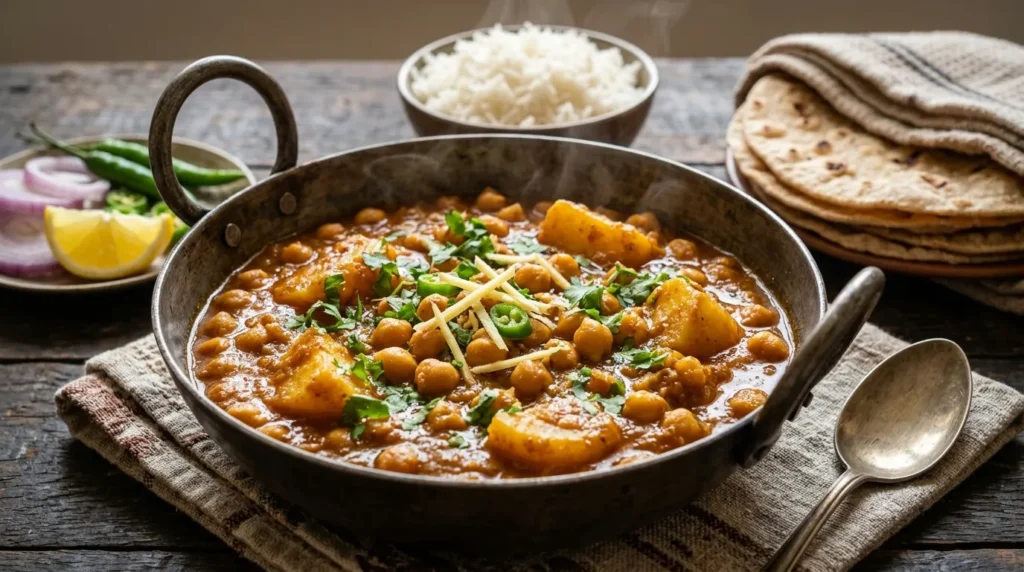
Traditional Vegan Chickpea And Potato Curry Chana Aloo is a beloved staple in many households, offering a perfect balance of earthy legumes and tender tubers. This plant-based dish relies on a fragrant blend of warming spices to create a deep, savory profile that satisfies both vegans and omnivores alike. Whether you are looking for a quick weeknight dinner or a comforting meal to share with family, this classic recipe delivers consistent results.
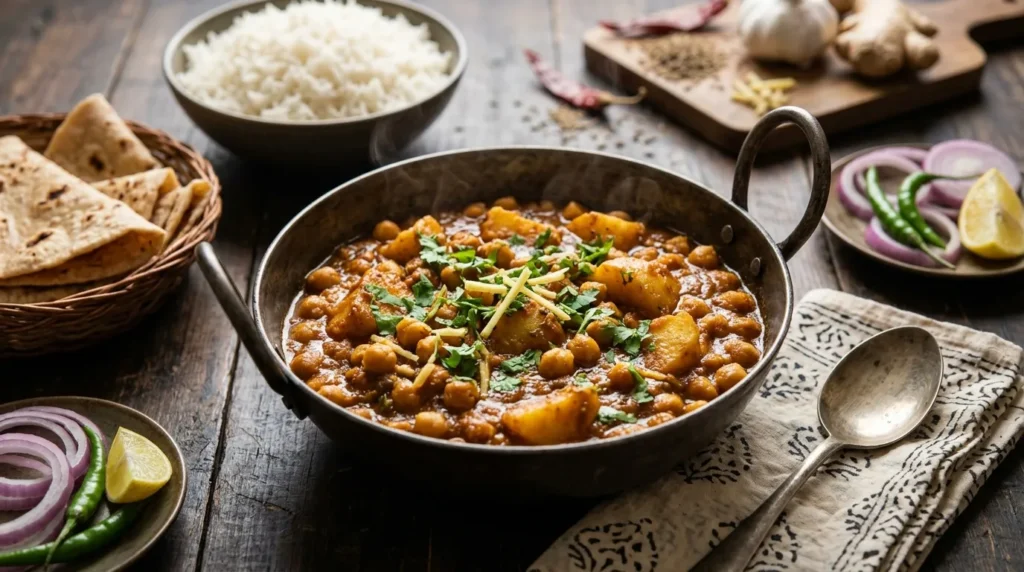
By mastering the tempering of spices and the timing of your vegetables, you will unlock a depth of flavor that rivals your favorite local restaurant. Here is everything you need to know to prepare this nourishing, protein-packed meal at home.
- Prep time: 15 minutes
- Cook time: 30 minutes
- Total time: 45 minutes
- Servings: 4
- Calories: 420 per serving
Ingredients
- 2 tbsp neutral oil, such as grapeseed or avocado oil
- 1 large yellow onion, finely diced
- 3 cloves garlic, minced
- 1 tbsp fresh ginger, grated
- 2 medium russet potatoes, peeled and cut into 1/2-inch cubes
- 2 cans (15 oz each) chickpeas, drained and rinsed
- 1 can (14.5 oz) crushed tomatoes
- 1 tsp ground turmeric
- 1 tbsp ground cumin
- 1 tbsp ground coriander
- 1 tsp Kashmiri chili powder or mild paprika
- 1 tsp garam masala
- 1.5 cups vegetable broth or water
- 1 tsp sea salt, or to taste
- 1/4 cup fresh cilantro, chopped for garnish
- 1 tbsp fresh lemon juice
Instructions
- Heat the oil in a large heavy-bottomed pot or Dutch oven over medium heat until it shimmers.
- Add the diced onion and sauté for about 6 to 8 minutes, stirring occasionally, until the edges turn golden brown.
- Stir in the minced garlic and grated ginger, cooking for 1 minute until fragrant to prevent burning.
- Add the turmeric, cumin, coriander, and chili powder, stirring constantly for 30 seconds to toast the spices in the oil.
- Add the cubed potatoes and toss them in the spiced oil mixture for 2 minutes to coat them thoroughly.
- Pour in the crushed tomatoes and the vegetable broth, scraping the bottom of the pot to release any browned bits.
- Bring the liquid to a gentle simmer, then cover the pot and reduce the heat to low.
- Cook for 12 to 15 minutes, or until the potatoes are fork-tender but not falling apart.
- Stir in the chickpeas and continue to cook uncovered for another 5 to 7 minutes to allow the sauce to thicken slightly.
- Remove the pot from the heat and stir in the garam masala, salt, and fresh lemon juice.
- Garnish generously with fresh cilantro before serving warm over basmati rice or with toasted flatbread.
The Importance of Tempering Spices
The secret to a truly authentic Traditional Vegan Chickpea And Potato Curry Chana Aloo lies in the technique of blooming your spices. When you add ground spices to hot oil, the heat releases fat-soluble compounds that are otherwise locked away in the dry powder. This process transforms a one-dimensional tomato base into a complex, aromatic sauce that defines high-quality Indian cooking.
You must be careful not to overheat the spices, as they can turn bitter if they scorch. Keep your heat at a steady medium and move the mixture constantly with a wooden spoon. If you notice the spices starting to darken too quickly, add a tiny splash of water or the tomatoes immediately to cool the pan down.
This method ensures that every bite of potato and chickpea is coated in a uniform layer of flavor. It is a simple step, yet it differentiates home cooking from professional-grade results. By focusing on this initial phase, you establish a foundation that carries through the entire cooking process.
Choosing the Right Potatoes
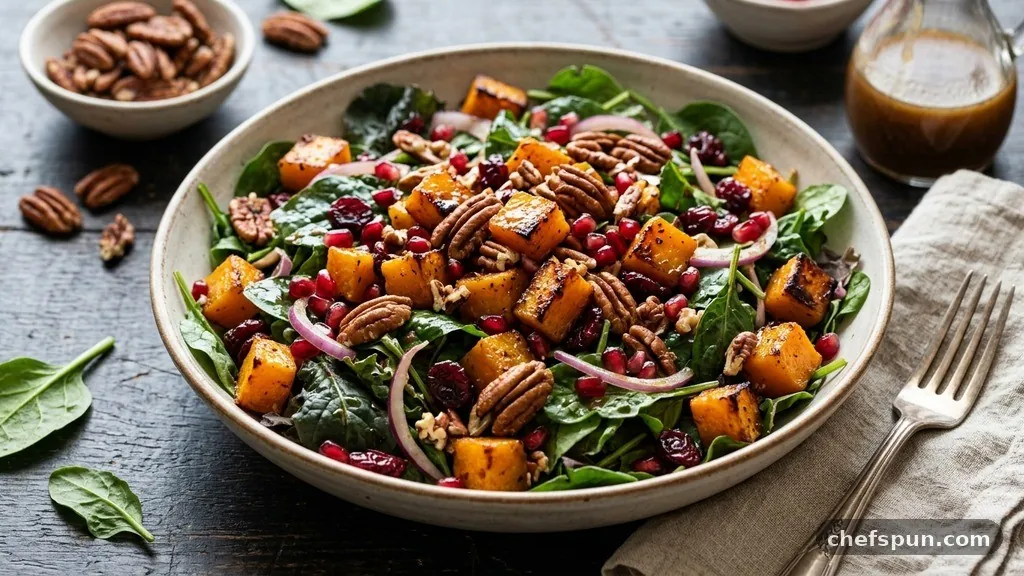
Selecting the correct variety of potato is essential for maintaining the texture of your curry. Russet potatoes are excellent because their high starch content allows them to soak up the surrounding sauce while softening beautifully. However, if you prefer your potatoes to hold their shape perfectly, you might opt for a waxy variety like Yukon Gold.
Regardless of the type you choose, ensure your cubes are uniform in size. If the pieces vary too much in volume, some will turn to mush while others remain crunchy in the middle. Aim for a consistent 1/2-inch dice to ensure they cook evenly within the 15-minute window.
For more information on selecting and storing fresh produce, you can visit the USDA Nutrition website. Understanding the quality of your base ingredients helps you make better decisions at the grocery store. Better produce almost always leads to a more vibrant and flavorful final dish.
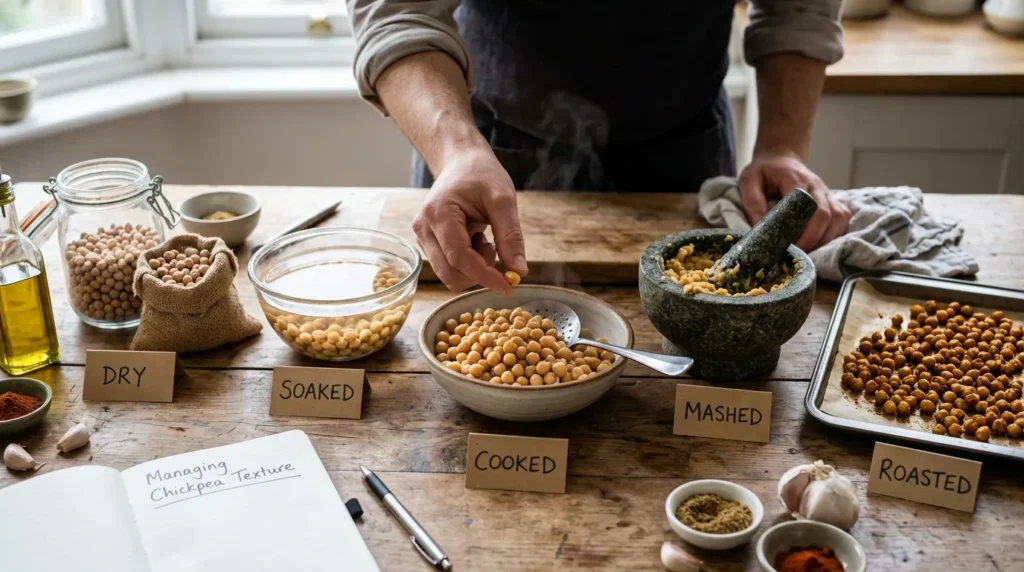
Managing Chickpea Texture
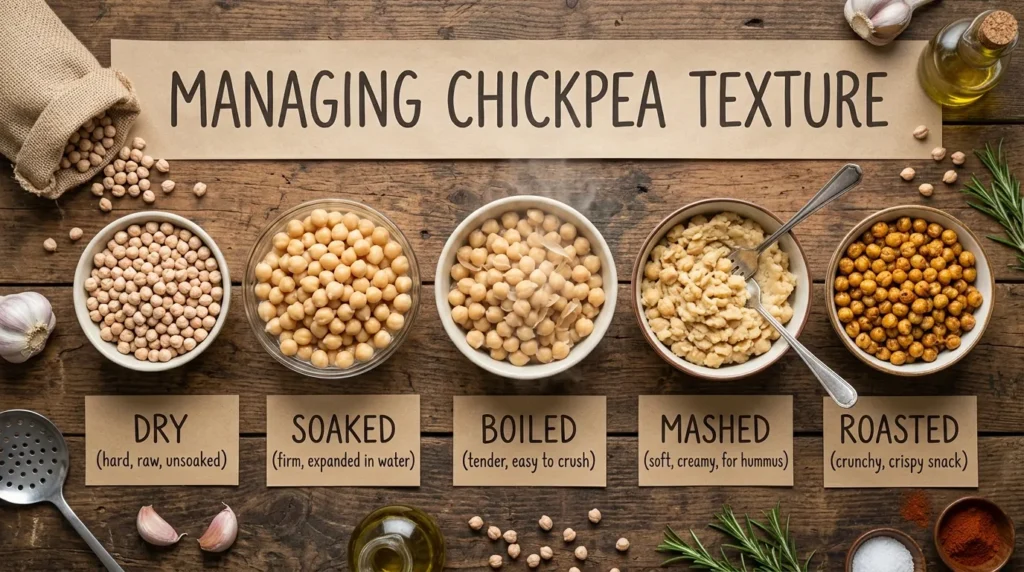
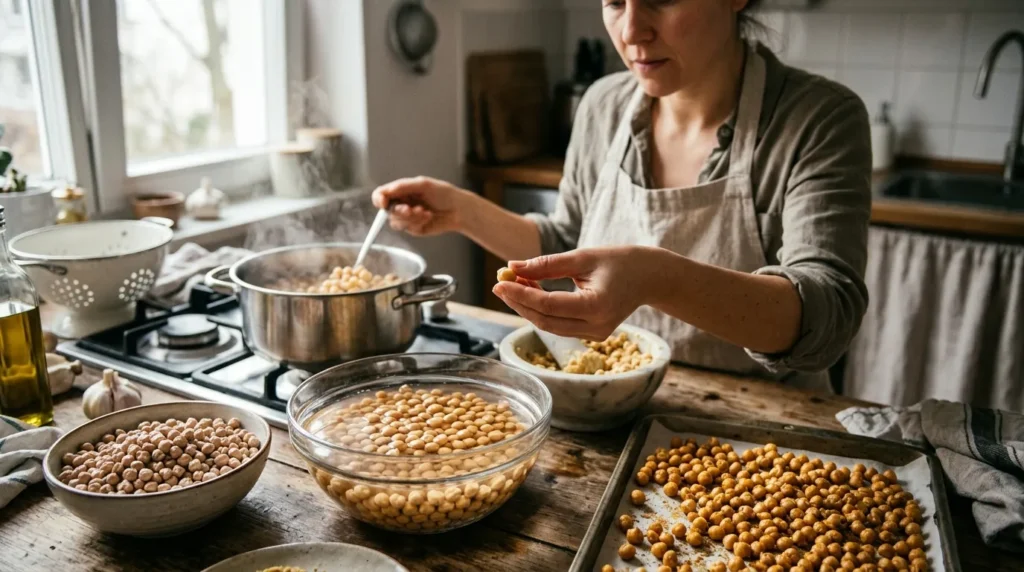
Chickpeas, also known as garbanzo beans, are the heart of this dish. When using canned chickpeas, it is vital to rinse them thoroughly under cold running water until the bubbles disappear. This step removes excess sodium and the metallic taste often associated with canned goods.
Some cooks prefer to simmer the chickpeas for a longer period to make them incredibly soft, while others enjoy a slight bite. If you like your chickpeas creamy and soft, add them to the pot five minutes earlier than the recipe suggests. However, be mindful that excessive boiling can cause the skins to peel off and float in your sauce.
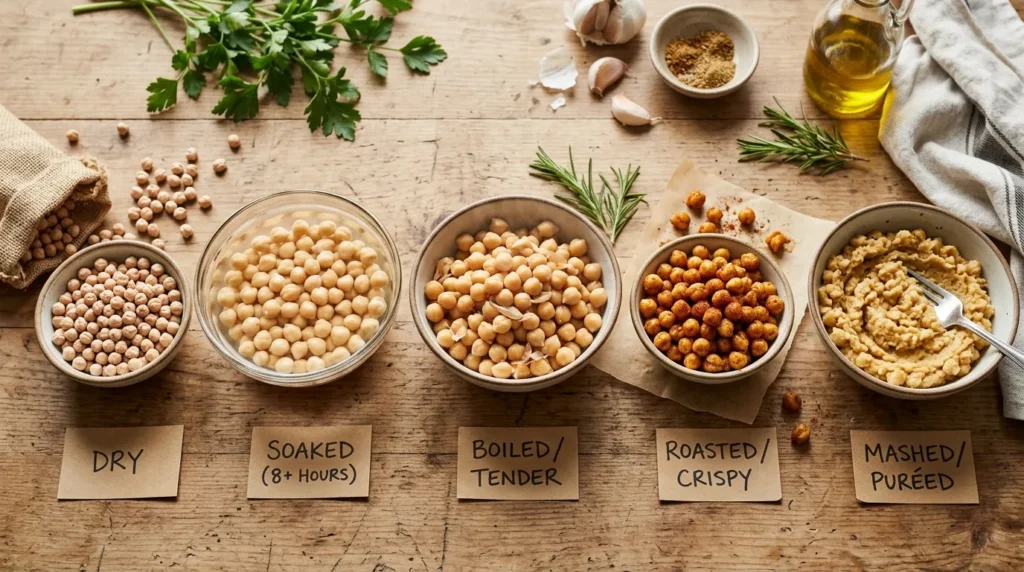
If you have the time, using dried chickpeas that have been soaked overnight results in a superior texture. You will need to boil them separately until tender before adding them to your curry base. This extra effort provides a nuttier flavor and a more substantial mouthfeel that is worth the time for special occasions.
Balancing the Sauce Consistency
A great curry should have a thick, clinging sauce rather than a watery broth. The starch released from the potatoes helps naturally thicken the mixture as they simmer. If you find the sauce is still too thin after adding the chickpeas, use the back of your spoon to mash a few of the potatoes against the side of the pot.
This rustic technique creates a natural slurry that binds the tomato base to the chickpeas. You can also leave the lid off for the final few minutes of cooking to encourage evaporation. Always adjust your heat to a simmer rather than a rapid boil during this stage to prevent the bottom from burning.
Remember that the dish will thicken slightly as it cools. If you are preparing this for a dinner party, keep in mind that the sauce will be more concentrated if it sits for a few minutes before serving. You can always add a tablespoon of water at the very end to achieve your preferred consistency.
The Role of Aromatics
Onions, garlic, and ginger form the “trinity” of flavor in many traditional curries. You must brown the onions properly to extract their natural sweetness, which balances the acidity of the tomatoes. A light golden color is good, but a deeper, caramelized brown provides a much richer base for your spices.
Do not be tempted to rush the onion sautéing phase. This step usually takes around eight minutes, and it is the most critical part of building depth. If you skip this, the curry may taste raw or overly sharp, lacking that mellow, savory backbone that characterizes a well-made meal.
When adding ginger and garlic, keep the heat low. Both ingredients are prone to burning, and burnt garlic will instantly ruin the flavor of the entire pot. By adding them after the onions have softened, you ensure they cook gently and release their oils without becoming acrid.
Storage and Reheating
One of the best things about this dish is that it tastes even better the next day. As the curry sits in the refrigerator, the spices continue to permeate the potatoes and chickpeas. Store any leftovers in an airtight glass container to prevent flavor transfer in your fridge.
When reheating, use a saucepan on the stove over low heat rather than a microwave. The gentle heat helps maintain the texture of the potatoes, which can become rubbery if blasted with high microwave power. Add a tiny splash of water or broth to loosen the sauce as it warms up.
You can safely keep this dish in the refrigerator for up to four days. It is also a fantastic candidate for freezing, provided you do not overcook the potatoes initially. When you plan to freeze it, slightly undercook the potatoes so they finish cooking when you reheat the meal later.
FAQ
Can I use sweet potatoes instead of regular potatoes?
Yes, sweet potatoes work well and add a nice contrast to the savory spices. Keep in mind that they cook faster than russet potatoes, so monitor them closely so they do not fall apart.
Is this dish very spicy?
The heat level depends entirely on the chili powder you use. Kashmiri chili powder is relatively mild, but you can swap it for cayenne if you prefer a fiery kick.
What should I serve with this curry?
Basmati rice is the classic pairing, but it also goes beautifully with warm naan or roti. A side of cooling cucumber raita or fresh lime wedges can help balance the heat.
Can I make this without oil?
You can sauté the onions in a splash of vegetable broth or water to keep it oil-free. The texture will be slightly different, but the flavor remains excellent.
Do I have to use fresh tomatoes?
Canned crushed tomatoes are actually preferred here because they provide a consistent, thick base. Fresh tomatoes are often too watery and lack the concentrated flavor needed for this style of curry.
Conclusion
Mastering the art of a Traditional Vegan Chickpea And Potato Curry Chana Aloo is a rewarding endeavor that brings warmth and flavor to any kitchen. By focusing on the fundamentals—tempering your spices, patiently caramelizing your onions, and choosing the right potato variety—you can create a restaurant-quality meal that is both healthy and deeply satisfying. This dish proves that plant-based eating never requires a sacrifice in taste or texture.
We encourage you to experiment with the spice levels and garnishes to make this recipe your own. Whether you serve it as a main course with fluffy rice or as a side dish for a larger feast, it is sure to become a regular feature in your cooking rotation. Enjoy the process of creating this wholesome, aromatic meal for yourself and your loved ones.
Traditional Vegan Chickpea And Potato Curry Chana Aloo
Traditional Vegan Chickpea And Potato Curry Chana Aloo is a beloved staple in many households, offering a perfect balance of earthy legumes and tender tubers.
Ingredients
- 2 tbsp neutral oil, such as grapeseed or avocado oil
- 1 large yellow onion, finely diced
- 3 cloves garlic, minced
- 1 tbsp fresh ginger, grated
- 2 medium russet potatoes, peeled and cut into 1/2-inch cubes
- 2 cans (15 oz each) chickpeas, drained and rinsed
- 1 can (14.5 oz) crushed tomatoes
- 1 tsp ground turmeric
- 1 tbsp ground cumin
- 1 tbsp ground coriander
- 1 tsp Kashmiri chili powder or mild paprika
- 1 tsp garam masala
- 1.5 cups vegetable broth or water
- 1 tsp sea salt, or to taste
- 1/4 cup fresh cilantro, chopped for garnish
- 1 tbsp fresh lemon juice
Instructions
- Heat the oil in a large heavy-bottomed pot or Dutch oven over medium heat until it shimmers.
- Add the diced onion and sauté for about 6 to 8 minutes, stirring occasionally, until the edges turn golden brown.
- Stir in the minced garlic and grated ginger, cooking for 1 minute until fragrant to prevent burning.
- Add the turmeric, cumin, coriander, and chili powder, stirring constantly for 30 seconds to toast the spices in the oil.
- Add the cubed potatoes and toss them in the spiced oil mixture for 2 minutes to coat them thoroughly.
- Pour in the crushed tomatoes and the vegetable broth, scraping the bottom of the pot to release any browned bits.
- Bring the liquid to a gentle simmer, then cover the pot and reduce the heat to low.
- Cook for 12 to 15 minutes, or until the potatoes are fork-tender but not falling apart.
- Stir in the chickpeas and continue to cook uncovered for another 5 to 7 minutes to allow the sauce to thicken slightly.
- Remove the pot from the heat and stir in the garam masala, salt, and fresh lemon juice.
- Garnish generously with fresh cilantro before serving warm over basmati rice or with toasted flatbread.
Similar Posts
Meringue Ghosts
Creating light, airy, and whimsical meringue ghosts is a perfect way to celebrate the spooky season with a sweet treat that feels both sophisticated and fun. These delicate cookies melt in your mouth, offering a crisp exterior that gives way to a cloud-like interior. Whether you are hosting a themed party or simply looking for…
Mothers Day Brunch Ideas
Planning the perfect morning meal requires a balance of elegance and ease. Choosing the right Mothers Day Brunch Ideas ensures you spend more time celebrating and less time stuck in the kitchen. Whether you are hosting a small family gathering or a larger group, selecting dishes that offer both flavor and visual appeal is key….
Herb-Roasted Rainbow Potatoes Recipe
Preparing a colorful Herb-Roasted Rainbow Potatoes Recipe is an excellent way to bring vibrancy and flavor to your dinner table. These small, waxy tubers offer a delightful contrast of textures, with crispy skins giving way to creamy, tender centers. By using a mix of red, gold, and purple varieties, you ensure the dish is as…
Healthy Halloween Treats
Finding ways to celebrate the season without relying on processed sugars can transform your holiday experience. Healthy Halloween treats offer a wonderful opportunity to involve the whole family in the kitchen while keeping energy levels stable and spirits high. By focusing on whole foods and creative presentation, you can whip up snacks that are just…
Gingerbread Man Sandwich
Creating a delightful Gingerbread Man Sandwich is a wonderful way to bring seasonal cheer to your kitchen. By pairing two spiced cookies with a velvety sweet filling, you transform standard treats into a substantial dessert that stands out at any holiday gathering. Jump to Recipe Ingredients Instructions Mastering the Cookie Base Achieving the perfect texture…
Vegan Christmas Cookies
Baking delicious Vegan Christmas Cookies is a wonderful way to celebrate the holidays while ensuring everyone at your table can enjoy a festive treat. These plant-based delights capture the classic flavors of the season without using butter, eggs, or dairy, making them accessible and inclusive for all your guests. Whether you are a seasoned baker…