Monk Fruit Jam Almond Thumbprint Cookies
If you are looking for a satisfying treat that aligns with your dietary goals, these Monk Fruit Jam Almond Thumbprint Cookies are a perfect choice. They combine the nutty, rich flavor of almond flour with the subtle, natural sweetness of monk fruit, creating a texture that is both tender and crumbly.
By using sugar–free fruit preserves, you can enjoy a classic bakery experience without the spike in blood glucose levels often associated with traditional desserts. These cookies are simple to prepare and provide a delightful balance of flavors, making them an excellent option for anyone who wants a healthier way to enjoy their favorite afternoon snack.
- Prep time: 15 minutes
- Cook time: 30 minutes
- Total time: 45 minutes
- Servings: 4
- Calories: 420 per serving
Ingredients

- 2 cups blanched almond flour, finely ground
- 1/4 cup monk fruit sweetener, granulated
- 1/4 cup coconut oil, melted and cooled
- 1 teaspoon pure vanilla extract
- 1/4 teaspoon fine sea salt
- 1/4 cup sugar-free fruit jam or chia seed preserve
Instructions

- Preheat your oven to 350°F (175°C) and line a large baking sheet with parchment paper to prevent sticking.
- In a medium mixing bowl, whisk together the almond flour, granulated monk fruit sweetener, and sea salt until no lumps remain.
- Pour in the melted coconut oil and vanilla extract, then stir the mixture until a uniform dough forms.
- If the dough feels too dry or crumbly to hold its shape, add an extra teaspoon of coconut oil or water until it comes together.
- Roll the dough into small, evenly sized balls, about one tablespoon each, and place them on the prepared baking sheet.
- Gently press your thumb into the center of each ball to create a small indentation, being careful not to crack the edges too deeply.
- Fill each indentation with approximately half a teaspoon of your chosen sugar-free jam.
- Bake the cookies for 12 to 15 minutes, or until the edges are lightly golden brown and the centers are set.
- Remove the tray from the oven and allow the cookies to cool completely on the sheet, as they are fragile while warm.
- Once cooled, the almond flour structure will firm up, making them easy to handle and enjoy.
The Science of Almond Flour

Almond flour is the primary foundation for many keto and grain-free baking projects because of its unique fat and protein profile. Unlike wheat flour, which relies on gluten to provide structure, almond flour relies on the healthy fats found in ground nuts. This means that when you make cookies using this ingredient, you are getting a much higher nutrient density per bite.
It also provides a natural moisture that keeps the finished product from drying out, even when baking at higher temperatures. You will find that the texture is far more tender than traditional flour, which is why these cookies have such a satisfying, melt-in-your-mouth quality.
Working with Monk Fruit Sweetener
Monk fruit is a popular choice for those who want to reduce their sugar intake without sacrificing the flavor profile of a dessert. It is derived from a small melon and is often paired with erythritol to ensure it measures just like standard table sugar. When you use it in this recipe, you don’t have to worry about the chemical aftertaste that sometimes accompanies other artificial sweeteners.
It caramelizes slightly during the baking process, which adds a depth of flavor that complements the nutty notes of the almonds. Always ensure you are using a granulated version to maintain the proper consistency of the dough.
Selecting the Right Jam
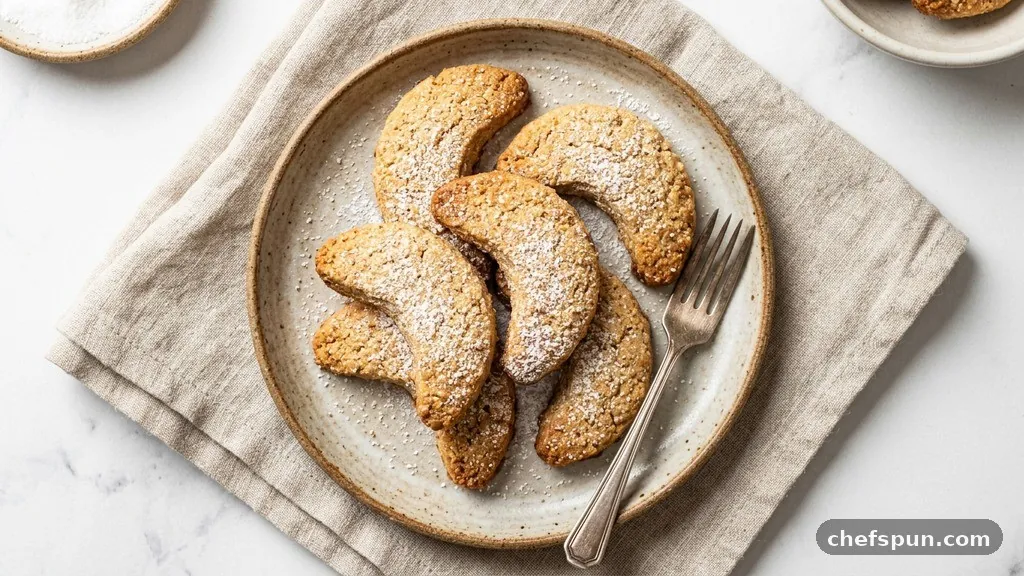
The choice of fruit preserve is where you can truly customize the final flavor of your treats. Since you are aiming for a healthier profile, look for varieties that are sweetened with fruit juice or stevia rather than high-fructose corn syrup. A raspberry or strawberry jam works beautifully because the natural tartness cuts through the richness of the almond flour.
For those who want to avoid store-bought versions entirely, you can easily create a homemade chia seed jam by simmering berries with chia seeds until thickened. This adds a boost of fiber and omega-3 fatty acids to your cookies, making them even more nutritious.
Perfecting the Thumbprint Technique
The thumbprint is a signature look, but it can be tricky if the dough is too dry. If you find that your dough is cracking when you press your thumb into it, simply wet your finger slightly with water. This small amount of moisture helps smooth the edges of the depression and prevents deep fissures from forming while the cookies bake.
You should aim for a deep enough well to hold the jam, but not so deep that you press all the way through to the parchment paper. A consistent depth ensures that the jam stays contained during the heat of the oven and doesn’t spill over the sides.
Baking for Optimal Texture
Almond flour is prone to browning quickly, so keep a close eye on your oven during the final few minutes of the cycle. If you notice the edges darkening too fast, you can tent the tray with a loose piece of aluminum foil to protect them. The goal is to get a light golden hue, which signals that the fats in the almond flour have toasted slightly.
You must let the cookies cool on the baking sheet for at least ten minutes before attempting to move them. During this cooling phase, the fats re-solidify, which gives the cookie its structural integrity and prevents it from crumbling.
Storage and Preservation
Because these cookies contain healthy fats and natural fruit, they are best stored in an airtight container in the refrigerator. This keeps the jam fresh and ensures the cookie maintains its desired snap and chew. If you prefer to keep them on the counter, try to consume them within three days, as the moisture from the jam can soften the almond base over time.
For longer storage, you can freeze the baked cookies in a single layer before transferring them to a bag. They thaw very quickly at room temperature, making them a great make-ahead option for busy weeks.
Customizing Your Batch

While the classic version is delicious, there are several ways to experiment with the base recipe. You can add a half-teaspoon of almond extract to the dough to intensify the nutty flavor of the flour. If you are a fan of chocolate, consider drizzling a small amount of melted dark chocolate over the finished cookies once they have cooled.
You could also roll the dough balls in crushed nuts or seeds before adding the jam to give them a crunchy exterior. These minor adjustments allow you to tailor the recipe to your personal preferences without compromising the integrity of the base.
Common Baking Mistakes
One of the most frequent errors is over-mixing the dough, which can lead to a greasy texture as the oils are released from the almond flour. Mix the ingredients just until they are combined and no dry streaks remain. Another issue is using too much jam, which can make the center of the cookie soggy instead of firm.
Stick to the half-teaspoon measurement, as the jam will bubble and spread slightly while the heat penetrates the center. If you find the cookies are too crumbly, you may have measured the flour too loosely; try spooning the flour into the cup and leveling it off with a knife.

Dietary Considerations
These cookies are naturally gluten-free and grain-free, making them suitable for many different lifestyle plans. Because they are low in carbohydrates, they fit well into a keto-friendly diet while still offering a satisfying dessert experience. If you have a nut allergy, you might be tempted to swap the flour, but please note that almond flour has a specific fat content that is hard to replicate with seed flours.
If you are serving these to guests, always check for potential nut allergies before sharing. The use of monk fruit makes these a great choice for those monitoring their blood sugar levels, as it does not cause the same insulin spikes as refined sugars.
FAQ
Can you bake cookies with monk fruit sweetener?
Yes, monk fruit sweetener is an excellent choice for baking because it is heat-stable and mimics the texture of sugar. It does not lose its sweetness when exposed to high temperatures, making it ideal for these cookies.
Do I add jam to thumbprint cookies before or after baking them?
You should add the jam before baking. This allows the fruit preserve to set into the center of the dough and melds the flavors together during the cooking process.
What type of jam is best for thumbprint cookies?
Any thick, low-sugar fruit preserve works well. Raspberry, strawberry, and apricot are classic choices that offer a nice contrast to the nutty flavor of the almond flour.
Are these cookies suitable for a vegan diet?
This specific recipe uses no eggs or dairy, provided your jam is plant-based and your monk fruit sweetener does not contain additives. Always double-check labels if you are strictly vegan.
Why are my almond flour cookies falling apart?
Almond flour lacks the binding properties of gluten, so the dough is naturally more delicate. Ensure you let the cookies cool completely on the baking sheet before attempting to move them, as this allows the fats to set and hold the cookie together.
Final Thoughts
Creating Monk Fruit Jam Almond Thumbprint Cookies provides a wonderful way to enjoy a sophisticated treat while sticking to your health goals. The combination of high-quality almond flour and the subtle sweetness of monk fruit ensures that each bite is as delicious as it is mindful. By following the simple steps outlined above, you can master the texture of these grain-free delights and keep them in your regular rotation for quick snacks or special occasions.
Feel free to experiment with different fruit preserves to find your favorite combination. We hope you enjoy making and sharing these cookies as much as we do, and we would love to hear how your batch turns out.
Monk Fruit Jam Almond Thumbprint Cookies

If you are looking for a satisfying treat that aligns with your dietary goals, these Monk Fruit Jam Almond Thumbprint Cookies are a perfect choice.
Ingredients
- 2 cups blanched almond flour, finely ground
- 1/4 cup monk fruit sweetener, granulated
- 1/4 cup coconut oil , melted and cooled
- 1 teaspoon pure vanilla extract
- 1/4 teaspoon fine sea salt
- 1/4 cup sugar-free fruit jam or chia seed preserve
Instructions
- Preheat your oven to 350°F (175°C) and line a large baking sheet with parchment paper to prevent sticking.
- In a medium mixing bowl, whisk together the almond flour, granulated monk fruit sweetener, and sea salt until no lumps remain.
- Pour in the melted coconut oil and vanilla extract, then stir the mixture until a uniform dough forms.
- If the dough feels too dry or crumbly to hold its shape, add an extra teaspoon of coconut oil or water until it comes together.
- Roll the dough into small, evenly sized balls, about one tablespoon each, and place them on the prepared baking sheet.
- Gently press your thumb into the center of each ball to create a small indentation, being careful not to crack the edges too deeply.
- Fill each indentation with approximately half a teaspoon of your chosen sugar-free jam.
- Bake the cookies for 12 to 15 minutes, or until the edges are lightly golden brown and the centers are set.
- Remove the tray from the oven and allow the cookies to cool completely on the sheet, as they are fragile while warm.
- Once cooled, the almond flour structure will firm up, making them easy to handle and enjoy.
Similar Posts
Black Bean Brownie
A black bean brownie serves as a clever bridge between indulgent dessert and fiber-rich nutrition. You might wonder if legumes have a place in a chocolate treat, but the results are surprisingly fudgy and rich. By replacing traditional flour with pureed beans, you create a dense, moist texture that satisfies any chocolate craving without the…
Healthy Halloween Treats
Finding ways to celebrate the season without relying on processed sugars can transform your holiday experience. Healthy Halloween treats offer a wonderful opportunity to involve the whole family in the kitchen while keeping energy levels stable and spirits high. By focusing on whole foods and creative presentation, you can whip up snacks that are just…
Seed Crackers
Making homemade seed crackers is a rewarding way to enjoy a nutrient-dense snack that pairs perfectly with aged cheeses or hummus. These thin, crispy bites offer a satisfying crunch and a complex, nutty flavor profile that store-bought versions rarely match. By controlling the quality of your ingredients, you create a wholesome treat free from hidden…
Almond Crescent Cookies Healthy
Making almond crescent cookies healthy is an excellent way to enjoy a classic treat without compromising your nutritional goals. By replacing refined sugars and heavy flours with wholesome alternatives, you can create a satisfying dessert that fits into a balanced lifestyle. These cookies offer the nutty flavor and delicate texture you love while providing better…
Almond Thumbprint Cookies
Baking a batch of Almond Thumbprint Cookies provides a wonderful sensory experience that fills your home with the warm, nutty aroma of toasted nuts and sweet fruit. These treats balance a buttery, tender base with the bright intensity of preserves, making them a sophisticated yet approachable dessert. Whether you are prepping for a holiday cookie…
Healthy Hot Chocolate
Crafting a cup of healthy hot chocolate is a simple way to satisfy a craving for something indulgent while fueling your body with quality nutrients. Unlike store-bought packets loaded with refined sugars and artificial thickeners, this version highlights the deep, earthy profile of pure cacao. You will find that using whole-food ingredients creates a luxurious,…