Vegan Butternut Squash Recipes
Exploring the versatility of plant-based cooking often leads home chefs to experiment with seasonal produce, and incorporating vegan butternut squash recipes into your rotation provides a reliable way to create comforting, nutrient-dense meals. This winter squash variety offers a natural sweetness and a smooth, velvety texture when cooked, making it an ideal base for both savory and sweet dishes.
Whether you are looking for a hearty main course or a simple side, these preparations highlight the vegetable’s ability to absorb bold spices and rich aromatics. By mastering a few fundamental techniques, you can transform this humble gourd into a centerpiece that satisfies even the most dedicated meat eaters at your table.
- Prep time: 15 minutes
- Cook time: 30 minutes
- Total time: 45 minutes
- Servings: 4
- Calories: 420 per serving
Ingredients

- 1 large butternut squash, peeled, seeded, and cubed into 1-inch pieces
- 3 tbsp extra virgin olive oil
- 1 large yellow onion, finely diced
- 3 cloves garlic, minced
- 1 tsp ground cumin
- 1/2 tsp smoked paprika
- 1/4 tsp cayenne pepper
- 1 can (14 oz) full-fat coconut milk
- 2 cups vegetable broth
- 1 tsp sea salt
- 1/2 tsp freshly cracked black pepper
- 2 tbsp fresh cilantro, chopped for garnish
- 1 tbsp lime juice
Instructions
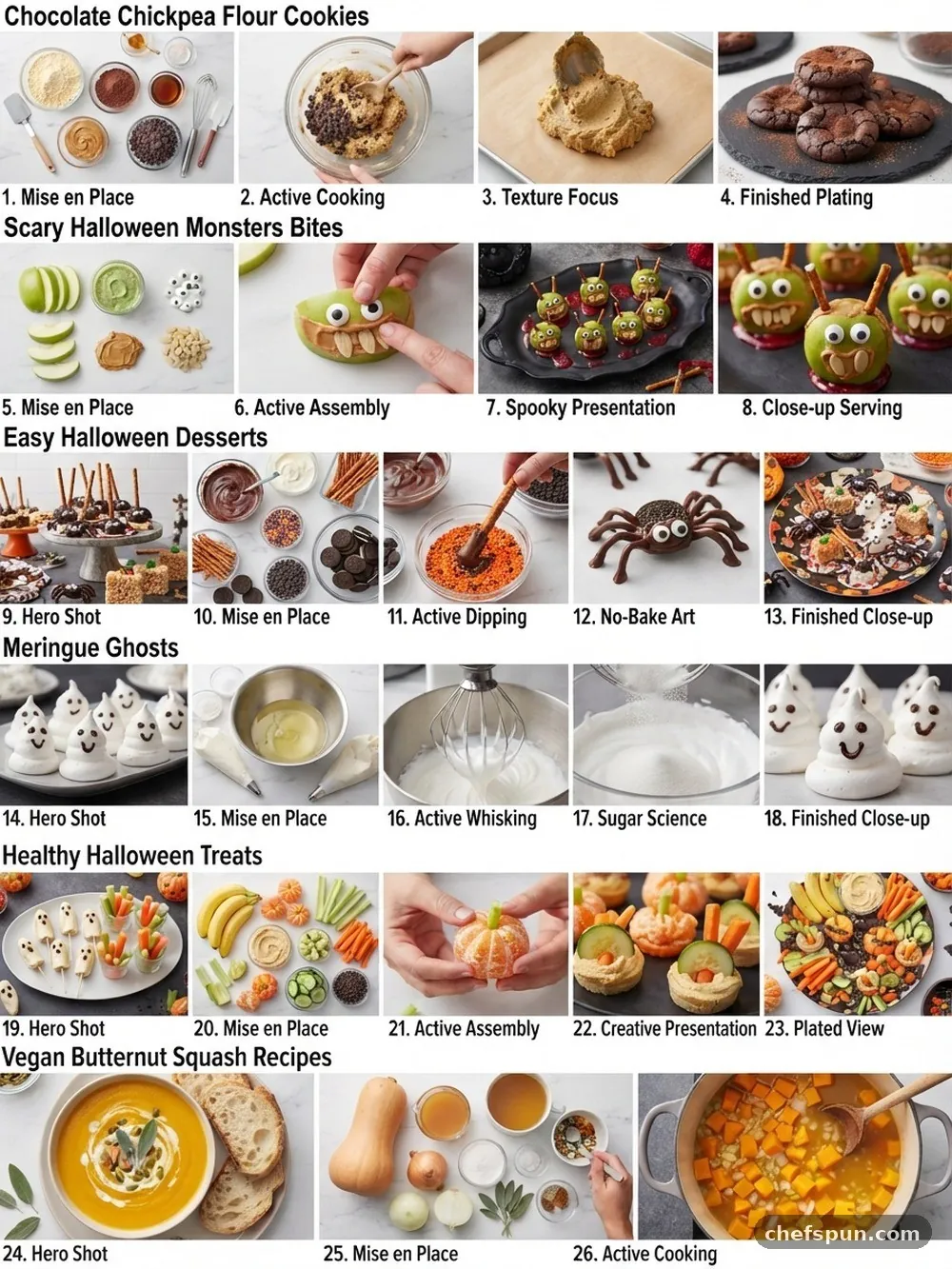
- Preheat your oven to 400°F (200°C) and line a large rimmed baking sheet with parchment paper.
- Toss the cubed butternut squash with 1 tablespoon of olive oil and a pinch of salt on the prepared baking sheet.
- Roast the squash until tender and slightly browned at the edges, which usually takes about 25 minutes.
- While the squash roasts, heat the remaining 2 tablespoons of olive oil in a large pot over medium heat.
- Add the diced onion to the pot and sauté until translucent and soft, about 6 minutes.
- Stir in the minced garlic, cumin, smoked paprika, and cayenne pepper, cooking for 1 minute until fragrant.
- Transfer the roasted squash into the pot with the aromatics and pour in the vegetable broth.
- Use an immersion blender to puree the mixture directly in the pot until it achieves a smooth, creamy consistency.
- Pour in the coconut milk and stir well to combine, letting the soup simmer gently for 5 minutes.
- Season with the salt and black pepper, then stir in the lime juice just before serving.
- Ladle into bowls and top with fresh cilantro to finish.
Tips
- If you prefer a thinner consistency, simply add an extra half-cup of vegetable broth until you reach your desired texture.
- For a more intense roasted flavor, leave the squash in the oven for an additional 10 minutes until the edges are deeply caramelized.
- Store any leftovers in an airtight container in the refrigerator for up to four days, as the flavors often improve the following day.
- If you are looking for more information on the nutritional profile of this vegetable, you can review the official food and nutrition guidelines provided by the government.
- To make this dish completely gluten-free, always ensure your vegetable broth is certified gluten-free, as some commercial brands contain hidden wheat-based thickeners.
- You can easily swap the coconut milk for unsweetened almond or soy milk if you want a lighter, less tropical flavor profile.
Choosing the Right Squash
When you head to the market, selecting the right butternut is the first step toward a successful meal. Look for a squash that feels heavy for its size, which indicates that it is dense and full of moisture.
The skin should be matte and free of deep cuts, bruises, or soft spots that could suggest internal decay. A firm, intact stem is another sign of a fresh harvest that has been handled with care.
Avoid squashes with a green tint on the rind, as these are often under-ripe and will lack the deep, nutty sweetness you want in your cooking. If you find a squash with a long, thick neck, you have hit the jackpot, as this section contains the most flesh and the fewest seeds. Once you bring your produce home, store it in a cool, dark, and dry place where it can last for several weeks.
Techniques for Roasting

Roasting is arguably the most effective way to coax out the natural sugars found in a butternut. By exposing the cubes to high heat, you initiate a process called caramelization, which creates a complex, savory-sweet flavor profile. You should always aim to cut your cubes into uniform sizes so they cook at the same rate, preventing some pieces from burning while others remain raw.
Don’t crowd the baking sheet, as this causes the veggies to steam rather than roast. If the pieces are touching, they won’t develop those desirable crispy edges that add texture to your dishes.
If you are worried about cleanup, parchment paper is your best friend. It prevents the sugary juices from welding the squash to the pan, making your post-cooking experience much easier.
Building Layers of Flavor
While the sweetness of the squash is a great starting point, it needs contrast to truly shine. You should rely on aromatic bases like garlic, onion, and ginger to ground the dish in savory notes.
Spices like cumin, coriander, and smoked paprika provide a warming depth that complements the earthy tones of the squash. Don’t be afraid to add a touch of acid, such as lime juice or apple cider vinegar, right at the end of the cooking process.
Acid acts as a bridge, lifting the heavy, creamy elements of the dish and making the flavors pop on your palate. If you want a bit of heat, a pinch of red pepper flakes or cayenne can wake up the entire profile.
Taste your creation as you go, adjusting the salt and pepper until the balance feels right. Remember that salt is a flavor enhancer, not just a seasoning, so add it in small increments to ensure you don’t overdo it.
Exploring Creamy Textures
Many vegan butternut squash recipes rely on coconut milk to achieve a luxurious, velvety mouthfeel without using dairy. This ingredient is particularly effective because its natural fat content mimics the richness of heavy cream.
If you prefer not to use coconut, you can try blending soaked cashews or silken tofu into your mixture. Both options provide a neutral base that lets the squash take center stage while adding a satisfying protein boost.
If you don’t have a high-speed blender or an immersion tool, you can achieve a rustic texture by mashing the roasted squash with a potato masher. This works well for thicker stews or curries where a bit of texture is actually preferred.
Regardless of the method, the goal is to create a cohesive dish where the squash is fully integrated into the sauce. Proper emulsification ensures that the fats and liquids don’t separate, resulting in a professional, restaurant-quality consistency.
Serving and Pairing Ideas
A warm bowl of squash soup is often a meal in itself, but it can be elevated with the right garnishes. Consider adding a handful of toasted pumpkin seeds, known as pepitas, for a satisfying crunch that plays against the smooth texture of the soup.
Fresh herbs like sage, thyme, or cilantro add a bright, aromatic finish that cuts through the richness. You might also drizzle a small amount of high-quality olive oil over the top just before serving for an extra layer of flavor.
If you are looking to make this a more substantial dinner, serve your squash preparations alongside a hearty grain like quinoa or wild rice. These grains absorb the sauce beautifully and add a nutty dimension to the meal.
For a complete experience, pair the dish with a side of crusty, toasted sourdough bread. The contrast between the soft squash and the crunchy bread makes for a delightful contrast in every bite.

Conclusion
Mastering the art of working with this seasonal staple allows you to create vibrant, comforting meals throughout the cooler months. By focusing on high-quality ingredients and balancing your spices, you can produce incredible results that prove plant-based eating is never boring. Whether you are blending up a silky soup or roasting wedges for a hearty salad, the possibilities are vast and rewarding.
These vegan butternut squash recipes serve as a foundation for your own culinary experiments in the kitchen. As you become more confident with the techniques, feel free to adjust the flavor profiles to suit your personal preferences.
We hope you enjoy the process of creating these dishes as much as you enjoy eating them. If you try these steps at home, please leave a comment to share your results.
Vegan Butternut Squash Recipes

Exploring the versatility of plant-based cooking often leads home chefs to experiment with seasonal produce, and incorporating vegan butternut squash recipes into your rotation provides a reliable way to create comforting, nutrient-dense meals.
Ingredients
- 1 large butternut squash, peeled, seeded, and cubed into 1-inch pieces
- 3 tbsp extra virgin olive oil
- 1 large yellow onion, finely diced
- 3 cloves garlic, minced
- 1 tsp ground cumin
- 1/2 tsp smoked paprika
- 1/4 tsp cayenne pepper
- 1 can (14 oz) full-fat coconut milk
- 2 cups vegetable broth
- 1 tsp sea salt
- 1/2 tsp freshly cracked black pepper
- 2 tbsp fresh cilantro, chopped for garnish
- 1 tbsp lime juice
Instructions
- Preheat your oven to 400°F (200°C) and line a large rimmed baking sheet with parchment paper.
- Toss the cubed butternut squash with 1 tablespoon of olive oil and a pinch of salt on the prepared baking sheet.
- Roast the squash until tender and slightly browned at the edges, which usually takes about 25 minutes.
- While the squash roasts, heat the remaining 2 tablespoons of olive oil in a large pot over medium heat.
- Add the diced onion to the pot and sauté until translucent and soft, about 6 minutes.
- Stir in the minced garlic, cumin, smoked paprika, and cayenne pepper, cooking for 1 minute until fragrant.
- Transfer the roasted squash into the pot with the aromatics and pour in the vegetable broth.
- Use an immersion blender to puree the mixture directly in the pot until it achieves a smooth, creamy consistency.
- Pour in the coconut milk and stir well to combine, letting the soup simmer gently for 5 minutes.
- Season with the salt and black pepper, then stir in the lime juice just before serving.
- Ladle into bowls and top with fresh cilantro to finish.
Similar Posts
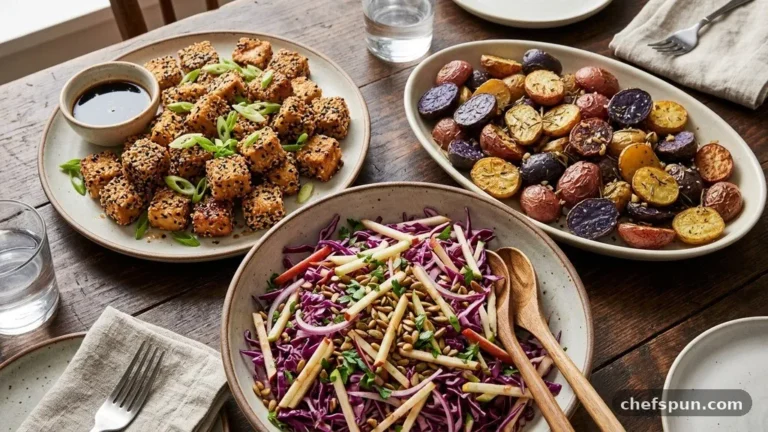
Crunchy Apple Red Cabbage Salad With Vinaigrette
A vibrant, refreshing bowl of crunchy apple red cabbage salad with vinaigrette offers the perfect balance of texture and flavor for any meal. This dish combines the earthiness of shredded cabbage with the sweet, crisp bite of fresh apples, all tied together by a zesty, balanced dressing. It serves as an ideal side for heavy…
Vegan Butternut Squash Recipes
Exploring the versatility of vegan butternut squash recipes allows home cooks to transform humble, earth-grown produce into sophisticated meals. Whether you are seeking a hearty soup for a cold evening or a vibrant roasted side dish, this gourd provides a naturally sweet foundation that balances beautifully with savory spices. By understanding how to properly caramelize…
Stuffed Dates
Stuffed dates offer a perfect harmony of chewy, natural sweetness and savory richness, making them a standout choice for any gathering. Whether you are hosting an elegant dinner or putting together a casual charcuterie board, these bite-sized treats provide a sophisticated flavor profile that satisfies every palate. By balancing the dense, caramel-like texture of high-quality…
Keto Coconut Flour Almond Crescent Cookies Healthy
Finding the perfect treat that aligns with a low-carb lifestyle can feel like a challenge, but baking Keto Coconut Flour Almond Crescent Cookies Healthy treats is a simple way to satisfy your cravings. These cookies offer a delicate, nutty flavor and a melt-in-your-mouth texture that rivals traditional holiday baking. By combining the fibrous nature of…
Roasted Chickpeas
Roasted Chickpeas are a fantastic way to transform humble pantry staples into a satisfying, flavorful treat. By using oven roasting, you can turn canned chickpeas into a crunchy, protein-packed snack that rivals any processed alternative. This simple method relies on careful moisture management to ensure each bite delivers a satisfying crunch. Whether you prefer them…
Apricot Kernel Vegan Chocolate Amaretti Cookies
Baking a batch of Apricot Kernel Vegan Chocolate Amaretti Cookies is a delightful way to explore plant-based pastry without sacrificing the signature texture of classic Italian treats. By swapping standard ingredients for flavorful alternatives like ground apricot kernels, you achieve that distinct, bitter-sweet almond essence that defines traditional amaretti. These cookies are naturally gluten-free and…