Salt Chili Edamame
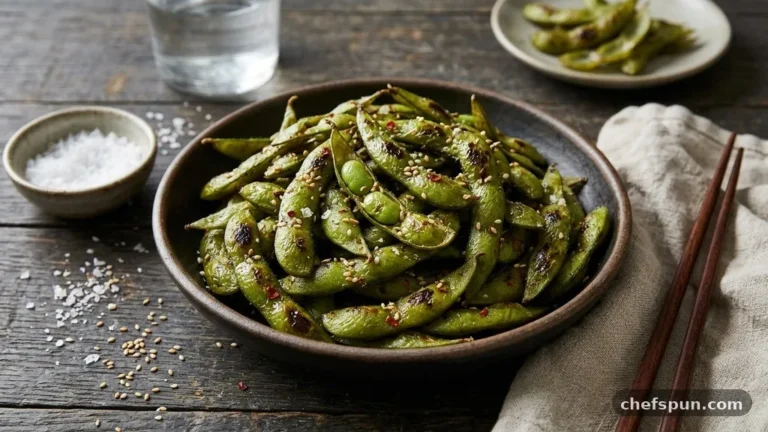
Preparing Salt Chili Edamame at home is a fantastic way to recreate a popular restaurant-quality dish. These vibrant green soybeans offer a satisfying, protein-rich snack that pairs perfectly with a cold beverage or as an appetizer. By balancing the natural, slightly grassier flavor profile of the beans with a punchy, spicy, and salty coating, you transform simple legumes into a bold culinary experience.
Learning to master this preparation allows you to control the spice levels and texture, ensuring every pod is coated in a savory, aromatic glaze. It is a simple yet sophisticated addition to any home menu that impresses guests with its vibrant presentation and addictive taste.
- Prep time: 15 minutes
- Cook time: 30 minutes
- Total time: 45 minutes
- Servings: 4
Ingredients
- 1 pound frozen edamame in the pod
- 2 tbsp neutral oil, such as grapeseed or avocado oil
- 3 cloves garlic, finely minced
- 1 tbsp fresh ginger, grated
- 1 fresh red chili, such as Fresno or Thai bird’s eye, thinly sliced
- 1 tsp Sichuan peppercorns, toasted and crushed
- 1 tbsp soy sauce
- 1 tsp toasted sesame oil
- 1/2 tsp sea salt, or to taste
- 1 tbsp fresh cilantro, chopped for garnish
Instructions

- Bring a large pot of salted water to a rolling boil over high heat.
- Add the frozen edamame pods and cook for 3 to 5 minutes until they are bright green and tender.
- Drain the pods thoroughly in a colander, shaking off any excess water to ensure they don’t steam in the pan later.
- Heat the neutral oil in a large wok or skillet over medium-high heat until it shimmers.
- Add the minced garlic, ginger, and sliced chili to the hot oil, stirring constantly for about 1 minute until fragrant.
- Toss in the cooked edamame pods and stir-fry for 3 to 4 minutes, allowing them to blister slightly.
- Sprinkle the crushed Sichuan peppercorns over the pods and drizzle with soy sauce and sesame oil.
- Continue to toss the mixture for another 2 minutes, ensuring every pod is coated in the aromatic oil and spice mixture.
- Remove from heat, sprinkle with sea salt, and garnish with fresh cilantro before serving immediately.
Selecting the Best Edamame

When you head to the grocery store, the quality of your base ingredient is paramount. You should look for bags that feel relatively loose, as this suggests the pods aren’t frozen into a solid block of ice. Avoid bags that show heavy frost buildup, as this is a sign of freezer burn or repeated temperature fluctuations.
Ideally, you want to find bright green, plump pods. If you notice any yellowing or shriveled ends, skip those, as these indicate older, starchier beans that lack the sweetness of fresh-frozen produce. High-quality edamame provides a clean, slightly sweet base that contrasts beautifully with the intense seasonings used in this recipe.
For those interested in the nutritional background of these legumes, the USDA FoodData Central database offers comprehensive information on the protein and fiber content found in immature soybeans. Starting with a high-quality product ensures that the final result remains tender and flavorful rather than mushy or overly fibrous.
Preparation and Cooking Techniques

To achieve the perfect texture, the initial boil or steam must be precise. You want to cook the beans until they are just tender enough to eat, but still firm enough to hold their shape during the second round of cooking in the pan. If you boil them for too long, they will become mushy and lose their vibrant color.
Blanching versus steaming is a common debate among home cooks. Blanching in boiling water helps keep the color bright and ensures even cooking throughout the pile. Steaming preserves more of the nutrients and prevents the beans from becoming waterlogged, which is helpful if you plan to pan-fry them immediately afterward.
Once the beans are cooked, it is vital to drain them well. Excess moisture in the pan will cause the aromatics to steam rather than sizzle, which prevents the development of that signature charred, restaurant-style finish. Patting the pods dry with a kitchen towel can significantly improve the result.
The Flavor Balancing Act

Creating a balanced profile is the secret to a memorable snack. You are working with a grassier flavor profile inherent to the soybeans, which acts as a neutral canvas for bolder additions. The goal is to layer salt, heat, and savory umami notes without overwhelming the natural sweetness of the edamame.
Aromatic additions like garlic and ginger are non-negotiable for this dish. They provide a pungent base that cuts through the richness of the oil and the saltiness of the soy sauce. Always add these to the hot oil first, but be careful not to let them burn, as burnt garlic turns bitter and ruins the entire batch.
Tossing for maximum flavor requires a bit of technique. You need to keep the pan moving constantly so the aromatics coat the exterior of the pods, as the pods themselves are inedible and only serve as a delivery system for the seasoning. This interactive way of eating is part of the charm, as it encourages a slower, more interactive eating experience.
Choosing Your Heat

The type of chili you choose will dictate the intensity of the dish. Thai bird’s eye chilies provide an immediate, and intense heat that hits the back of the throat quickly. If you prefer a more subtle approach, Fresno chilies or even dried chili flakes offer a gentler warmth.
Sichuan peppercorns add a unique dimension that goes beyond simple capsaicin heat. They provide a numbing sensation, known as ‘ma,’ which contrasts with the ‘la’ or spicy heat. This combination creates a smoky background heat that lingers on the palate, making the dish feel more complex and layered.
Always adjust the quantity of chilies based on your preference. It is better to start with less and add more during the final toss if you find the heat level insufficient. Remember that the oil absorbs the spice, so the longer the pods sit in the pan, the more intense the flavor will become.
Serving Suggestions

Presentation matters when serving these pods, especially if you are hosting guests. A simple bowl is fine, but serving them alongside a small empty bowl for the discarded shells is essential. This thoughtfulness makes the meal more enjoyable and less messy for your guests.
These pods are a classic partner for sushi, as the heat and saltiness provide a sharp contrast to the delicate, clean flavors of raw fish. They also make a great side for grilled meats or noodle dishes. Because they are so easy to assemble, they are perfect for making them a convenient base for a larger spread of appetizers.
If you have leftovers, they can be stored in the refrigerator for a day or two. However, they are best enjoyed fresh when the pods are warm and the seasonings are at their peak. Reheating them in a dry pan for a minute can help revive the texture if they have softened in the fridge.
Common Mistakes to Avoid
One of the most frequent errors is overcrowding the pan. When you add too many pods at once, the temperature drops, and the beans steam in their own juices instead of getting that nice, blistered exterior. Work in batches if your pan is not large enough to hold the pods in a single layer.
Another common mistake is neglecting the salt. Because you are seasoning the outside of the pod, you need enough salt to make the experience worthwhile, as the salt doesn’t penetrate the shell to the bean inside. Use a coarse sea salt or flaky salt to provide a satisfying crunch and immediate burst of flavor.
Finally, don’t forget the importance of the toasted sesame oil. It should be added at the very end of the cooking process, just before serving. If it cooks for too long, the delicate toasted aroma evaporates, and you lose that crucial nutty depth that rounds out the spicy, salty profile.

FAQ
Can I use shelled edamame instead of pods?
You can use shelled beans, but the experience changes significantly. The pods provide a tactile element that makes them a fun, interactive snack. If you use shelled beans, treat them more like a warm salad or a side dish rather than a finger food.
Are Sichuan peppercorns necessary?
They are highly recommended for the authentic flavor profile, but you can omit them if you cannot find them. Black pepper mixed with a pinch of coriander can mimic some of the citrusy, numbing notes, though it won’t be an exact replica.
How do I make this dish vegan?
This recipe is naturally vegan as written, provided your soy sauce is brewed without animal-derived additives. Always check your labels if you are strictly following a vegan diet to ensure your ingredients meet your standards.
Can I prepare the aromatics in advance?
Yes, you can mince your garlic, ginger, and chilies ahead of time to save on prep work. Keep them in a small airtight container in the fridge until you are ready to heat your pan and start the stir-fry process.
Is it possible to make this less spicy?
Absolutely. Remove the seeds and membranes from the chilies before slicing them, as the bulk of the heat is stored in the pith. You can also substitute the fresh chili entirely with a small amount of mild chili oil or paprika for color without the heat.
Conclusion
Mastering the art of Salt Chili Edamame brings a sophisticated, restaurant-quality dish into your own kitchen with minimal effort. By focusing on high-quality ingredients and careful heat management, you create a snack that is both visually striking and deeply flavorful. Whether you serve these as a precursor to sushi or as a standalone treat, the combination of spicy, salty, and aromatic notes is sure to become a favorite in your rotation.
Remember that the key to success lies in the balance of textures and the timing of your aromatics. Feel free to experiment with the level of heat and the specific types of chilies to tailor the result to your personal palate. I encourage you to try this recipe for your next gathering and share the experience with friends and family.
Salt Chili Edamame

Preparing Salt Chili Edamame at home is a fantastic way to recreate a popular restaurant-quality dish. These vibrant green soybeans offer a satisfying, protein-rich snack that pairs perfectly with a cold beverage or as an appetizer.
Ingredients
- 1 pound frozen edamame in the pod
- 2 tbsp neutral oil, such as grapeseed or avocado oil
- 3 cloves garlic, finely minced
- 1 tbsp fresh ginger, grated
- 1 fresh red chili, such as Fresno or Thai bird’s eye, thinly sliced
- 1 tsp Sichuan peppercorns, toasted and crushed
- 1 tbsp soy sauce
- 1 tsp toasted sesame oil
- 1/2 tsp sea salt, or to taste
- 1 tbsp fresh cilantro, chopped for garnish
Instructions
- Bring a large pot of salted water to a rolling boil over high heat.
- Add the frozen edamame pods and cook for 3 to 5 minutes until they are bright green and tender.
- Drain the pods thoroughly in a colander, shaking off any excess water to ensure they don’t steam in the pan later.
- Heat the neutral oil in a large wok or skillet over medium-high heat until it shimmers.
- Add the minced garlic, ginger, and sliced chili to the hot oil, stirring constantly for about 1 minute until fragrant.
- Toss in the cooked edamame pods and stir-fry for 3 to 4 minutes, allowing them to blister slightly.
- Sprinkle the crushed Sichuan peppercorns over the pods and drizzle with soy sauce and sesame oil.
- Continue to toss the mixture for another 2 minutes, ensuring every pod is coated in the aromatic oil and spice mixture.
- Remove from heat, sprinkle with sea salt, and garnish with fresh cilantro before serving immediately.
Similar Posts
Vegan Chocolate Amaretti Cookies
Baking a batch of vegan chocolate amaretti cookies is the perfect way to bring a sophisticated, nutty, and indulgent treat into your home kitchen. These delightful Italian-inspired biscuits feature a signature crackled exterior and a chewy, marzipan-like center that pairs beautifully with the depth of dark cocoa. By swapping out traditional binders for simple plant-based…
Chocolate Hazelnut Cookies
Baking a batch of homemade Chocolate Hazelnut Cookies brings a sophisticated twist to the classic pantry staple. These treats balance the deep, earthy richness of roasted nuts with the smooth sweetness of cocoa, creating a flavor profile that is nearly impossible to resist. Whether you are prepping for a holiday gathering or simply satisfying a…
Best Vegan Easter Recipe
Finding the best Vegan Easter Recipe often feels like a challenge, but a vibrant, herb-crusted vegetable roast serves as the perfect centerpiece for your spring celebration. This dish combines earthy seasonal produce with bright, zesty flavors that capture the essence of the holiday. By focusing on fresh, whole-food ingredients, you can create a meal that…
Roasted Edamame
Roasted Edamame serves as a satisfying alternative to traditional potato chips or processed crackers. By transforming simple soybeans into a crunchy, flavorful treat, you create a snack that supports your health goals without sacrificing the savory experience you crave. Whether you are looking for a quick afternoon pick-me-up or a protein-packed topping for your favorite…
Apricot Kernel Vegan Chocolate Amaretti Cookies
Baking a batch of Apricot Kernel Vegan Chocolate Amaretti Cookies is a delightful way to explore plant-based pastry without sacrificing the signature texture of classic Italian treats. By swapping standard ingredients for flavorful alternatives like ground apricot kernels, you achieve that distinct, bitter-sweet almond essence that defines traditional amaretti. These cookies are naturally gluten-free and…
Nori Chips
Nori Chips offer a satisfying, crunchy alternative to traditional potato-based snacks, bringing the deep, oceanic essence of the sea directly to your pantry. These thin, crispy sheets provide a concentrated burst of umami that keeps you reaching for another bite without the heavy feeling often associated with fried snacks. Whether you are craving a light…